
Sri Lankan cuisine is a vibrant blend of spices, coconut, and fresh ingredients that reflects the island’s rich cultural heritage. Known as the “Spice Island,” Sri Lanka offers some of the world’s most flavorful and aromatic dishes. This guide will introduce you to the essential flavors and must-try dishes of this incredible culinary tradition.
The Foundation of Sri Lankan Cooking
Essential Spices
Sri Lankan cuisine is built on aromatic spices that have been cultivated on the island for over 2,000 years:
- Ceylon Cinnamon – sweeter than regular cinnamon
- Cardamom – both green and black varieties
- Curry Leaves – fresh leaves with citrusy fragrance
- Black Pepper, Cloves, and Nutmeg
- Turmeric and Coriander
Coconut: The Heart of Every Dish
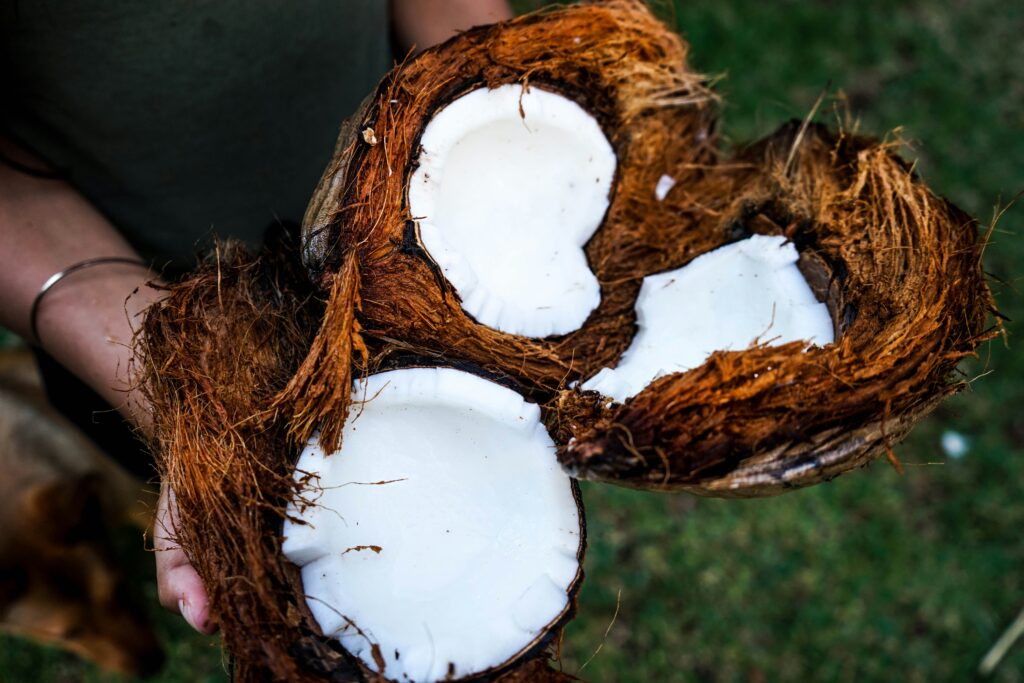
Coconut appears in multiple forms – fresh coconut milk for curries, grated coconut for texture, and coconut oil for cooking. It’s truly the foundation of Sri Lankan cuisine.
Rice: The Daily Staple
Rice is served at every meal, from everyday white rice to nutritious red rice varieties.
Must-Try Traditional Dishes
Rice and Curry: The National Meal
A traditional Sri Lankan meal consists of rice surrounded by multiple curries, each with distinct flavors:
- Fish or meat curry (the main protein)
- Dhal curry (spiced lentils)
- 2-3 vegetable curries
- Mallung (chopped greens with coconut)
- Pol sambol (spicy coconut condiment)
Hoppers (Appa): Bowl-Shaped Pancakes
These fermented rice flour pancakes are cooked in curved pans, creating crispy edges and soft centers. Try egg hoppers with a cracked egg in the middle, or string hoppers – delicate steamed rice noodles.
Kottu Roti: Street Food Symphony
Sri Lanka’s most famous street food features chopped roti bread stir-fried with vegetables, eggs, and meat. The rhythmic chopping sound creates music in the streets every evening.
Kiribath: Ceremonial Milk Rice
Rice cooked in thick coconut milk and cut into diamond shapes. This creamy dish is prepared for special occasions and New Year celebrations.
Popular Curries
Fish Curries
- Ambul Thiyal – tangy sour fish curry from the south
- Fish White Curry – mild curry with coconut milk
- Crab Curry – a festive delicacy
Meat Curries
- Chicken Curry – aromatic and spicy
- Beef Curry – slow-cooked with spices
- Deviled dishes – spicy stir-fried preparations
Vegetable Curries
- Jackfruit Curry – young jackfruit cooked like meat
- Dhal Curry – creamy spiced lentils
- Eggplant and Okra Curries
Essential Condiments (Sambols)
Pol Sambol
The most important Sri Lankan condiment – grated coconut mixed with chili, onions, lime juice, and salt. This fiery red mixture adds heat to any meal.
Seeni Sambol
Caramelized onions cooked with spices and jaggery until sweet and jammy.
Lunu Miris
A powerful chili paste made with red chilies, onions, and lime juice.
Sweets and Desserts
Traditional Sweets (Kavum)
- Kokis – crispy lace-like cookies
- Watalappan – spiced coconut custard
- Aluwa – sweet fudge made with rice flour
Colonial-Influenced Treats
- Love Cake – rich fruitcake with cashews
- Breudher – Dutch-style layered cake
Beverages
Ceylon Tea
World-famous tea served hot or iced, often with milk and sugar.
Traditional Drinks
- King Coconut Water – naturally sweet and refreshing
- Arrack – traditional palm wine
- Faluda – sweet drink with basil seeds
Regional Specialties
Jaffna (North)
Tamil-influenced cuisine with unique spice profiles and crab curries.
Hill Country (Central)
Tea estate influences with distinctive pittu (steamed rice flour) preparations.
Southern Coast
Exceptional seafood with preservation techniques like ambul thiyal.
Cooking Tips
Essential Techniques
- Tempering – heating whole spices in oil for maximum flavor
- Clay pot cooking – for authentic earthy flavors
- Fresh spice grinding – for superior taste
Key Ingredients to Stock
- Ceylon cinnamon and cardamom
- Coconut milk and fresh curry leaves
- Various rice and lentil types
- Quality chili powder and turmeric
Dining Culture
Traditional Style
Meals are typically eaten with the right hand, allowing better mixing of rice and curries. All dishes are served simultaneously rather than in courses.
Hospitality
Sri Lankan hospitality is legendary – guests are always offered food, and “Have you eaten?” is a common greeting.
Health Benefits
Sri Lankan cuisine offers numerous health benefits through its spice-rich preparations:
- Turmeric – anti-inflammatory properties
- Cinnamon – helps regulate blood sugar
- Coconut – provides healthy medium-chain fatty acids
- Balanced nutrition – rice, lentils, vegetables, and spices create naturally balanced meals
Where to Try Authentic Sri Lankan Food
In Sri Lanka:
- Local homestays for authentic home cooking
- Street food stalls for kottu roti and hoppers
- Village restaurants for traditional preparations
Internationally: Sri Lankan restaurants are growing in popularity worldwide, especially in areas with diaspora communities.
Getting Started at Home
Begin With Simple Dishes
Start with basic rice and curry, learn to make pol sambol, or try cooking hoppers with a regular non-stick pan.
Essential Equipment
- Good spice grinder
- Clay pots (if available)
- Non-stick pan for hoppers
Sri Lankan cuisine offers an incredible journey of flavors that combines ancient spice traditions with fresh tropical ingredients. From the complexity of a traditional rice and curry meal to the simple pleasure of perfectly spiced tea, every dish reflects the island’s rich cultural heritage.
Whether you’re planning to visit Sri Lanka or recreate these flavors at home, understanding this cuisine opens up a world of aromatic, healthy, and deeply satisfying food experiences. Start with one dish, master the spice combinations, and gradually build your Sri Lankan cooking repertoire.
The beauty of Sri Lankan food lies in its ability to bring people together through shared meals and incredible flavors. Each recipe carries centuries of tradition and the warmth of Sri Lankan hospitality.
Ready to try Sri Lankan cooking? Start with a simple rice and curry meal or learn to make the famous pol sambol. Share your cooking adventures in the comments below!
Leave a Reply