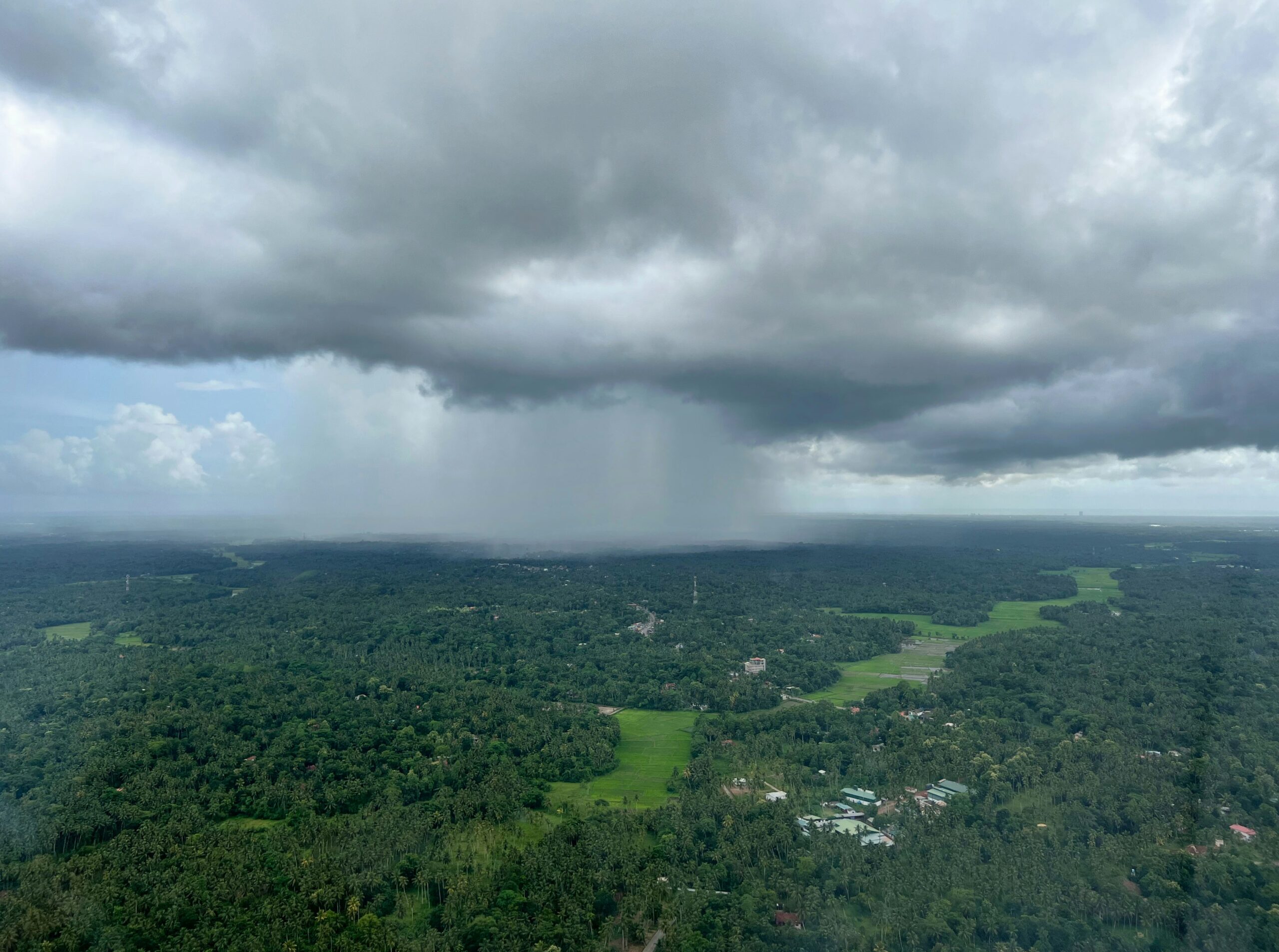
Sri Lanka, the pearl of the Indian Ocean, offers year-round tropical beauty with its diverse landscapes, ancient temples, pristine beaches, and lush tea plantations. However, understanding the island’s unique weather patterns is crucial for planning the perfect trip. With two distinct monsoon seasons affecting different regions at different times, Sri Lanka’s climate can seem complex at first glance. This comprehensive guide will help you determine the ideal time to visit based on your travel preferences and desired destinations.
Understanding Sri Lanka’s Climate Zones
Sri Lanka’s compact size belies its diverse climate zones, influenced by elevation, coastal proximity, and monsoon patterns. The island experiences a tropical climate with three main zones:
Coastal Areas: Hot and humid year-round with temperatures ranging from 26°C to 32°C (79°F to 90°F). These regions include Colombo, Galle, Negombo, and the popular beach destinations along the west and south coasts.
Hill Country: Significantly cooler due to elevation, with temperatures between 16°C to 24°C (61°F to 75°F). This includes Kandy, Nuwara Eliya, Ella, and the central tea-growing regions.
Dry Zone: Covers the northern and eastern regions, experiencing less rainfall and higher temperatures, often reaching 35°C (95°F) during peak dry periods.
The Two Monsoon Seasons
Sri Lanka’s weather is dominated by two monsoon systems that bring rain to different parts of the island at different times:
Southwest Monsoon (Yala)
Duration: May to September Affected Areas: West and south coasts, including Colombo, Galle, Mirissa, and the hill country Characteristics: Heavy rainfall, rough seas, and high humidity
Northeast Monsoon (Maha)
Duration: October to January Affected Areas: North and east coasts, including Trincomalee, Batticaloa, and Jaffna Characteristics: Moderate to heavy rainfall in affected regions, while other areas remain relatively dry
Best Time to Visit by Region
West and South Coast (December to March)
The west and south coasts, home to popular beach destinations like Unawatuna, Mirissa, and Bentota, are at their best from December to March. During this period, you’ll enjoy:
- Minimal rainfall and clear skies
- Calm seas perfect for swimming and water sports
- Comfortable temperatures averaging 28°C (82°F)
- Ideal conditions for whale watching (December to April)
- Perfect beach weather with gentle ocean breezes
East Coast (April to September)
When the southwest monsoon affects the west coast, the east coast enjoys its dry season. Popular destinations like Arugam Bay, Trincomalee, and Pasikudah offer:
- Excellent surfing conditions, especially in Arugam Bay
- Clear waters ideal for snorkeling and diving
- Less crowded beaches compared to the west coast
- Consistent sunshine with minimal rainfall
- Great for exploring Polonnaruwa and other cultural sites nearby
Hill Country (December to March & July to September)
The central highlands, including Kandy, Nuwara Eliya, and Ella, have two favorable periods:
December to March: Clear mountain views, perfect for hiking and train journeys July to September: Brief dry spell with excellent visibility for scenic photography
During these periods, you can expect:
- Spectacular sunrise views from Adam’s Peak
- Clear weather for the scenic train ride from Kandy to Ella
- Comfortable temperatures for exploring tea plantations
- Minimal cloud cover for mountain photography
North and Northeast (February to September)
The northern regions, including Jaffna and the cultural triangle (Anuradhapura, Polonnaruwa), are best visited during the dry season when temperatures are more manageable and rainfall is minimal.
Month-by-Month Weather Breakdown
December to February: Peak tourist season with excellent weather on the west and south coasts. Expect higher prices and larger crowds, but ideal beach conditions.
March to April: Transition period with rising temperatures. Still good for west coast beaches, becoming optimal for east coast destinations.
May to July: Southwest monsoon begins. East coast comes into its prime while west coast experiences heavy rainfall.
August to September: Continued monsoon on the west coast. East coast remains excellent, and hill country has a brief dry period.
October to November: Inter-monsoon period with unpredictable weather. Northeast monsoon begins, affecting the east coast.
Special Considerations
Festival Seasons
Sri Lanka’s cultural calendar significantly impacts travel experiences:
- Sinhala and Tamil New Year (April): Businesses close, but cultural celebrations abound
- Vesak Festival (May): Buddhist full moon celebration with spectacular decorations
- Kandy Esala Perahera (July/August): The island’s most famous cultural procession
Wildlife Viewing
Different seasons offer varying wildlife experiences:
- Dry Season (June to September): Best for safari in Yala and Udawalawe National Parks as animals gather around water sources
- Whale Watching Season (December to April): Blue and sperm whales migrate along the south coast
Tips for Weather-Smart Travel
Pack Appropriately: Always include rain gear regardless of season, as tropical showers can occur unexpectedly. Light, breathable clothing is essential for coastal areas, while warmer layers are necessary for hill country destinations.
Stay Flexible: Sri Lanka’s compact size allows for easy regional movement. If weather doesn’t cooperate in one area, you can quickly travel to regions experiencing better conditions.
Check Local Forecasts: Weather patterns can vary significantly within short distances. Local forecasts provide more accurate information than general country-wide predictions.
Consider Shoulder Seasons: April-May and September-November offer fewer crowds and lower prices, though weather can be less predictable.
Sri Lanka’s year-round tropical climate means there’s never a completely “bad” time to visit, but understanding regional weather patterns helps optimize your experience. The key is matching your desired activities and destinations with favorable weather conditions. Whether you’re seeking perfect beach weather, ideal hiking conditions, or optimal wildlife viewing, timing your visit according to this weather guide ensures you’ll experience the best of what this incredible island nation has to offer.
Remember that Sri Lanka’s weather, like its culture, is diverse and dynamic. Embrace the tropical rhythms, stay flexible with your plans, and you’ll discover why this island paradise captivates visitors regardless of the season.
Leave a Reply