Author: wp-user-m20s1o

  • Beach Paradise: Discovering the Enchanting Southern Coast of Sri Lanka

    Beach Paradise: Discovering the Enchanting Southern Coast of Sri Lanka

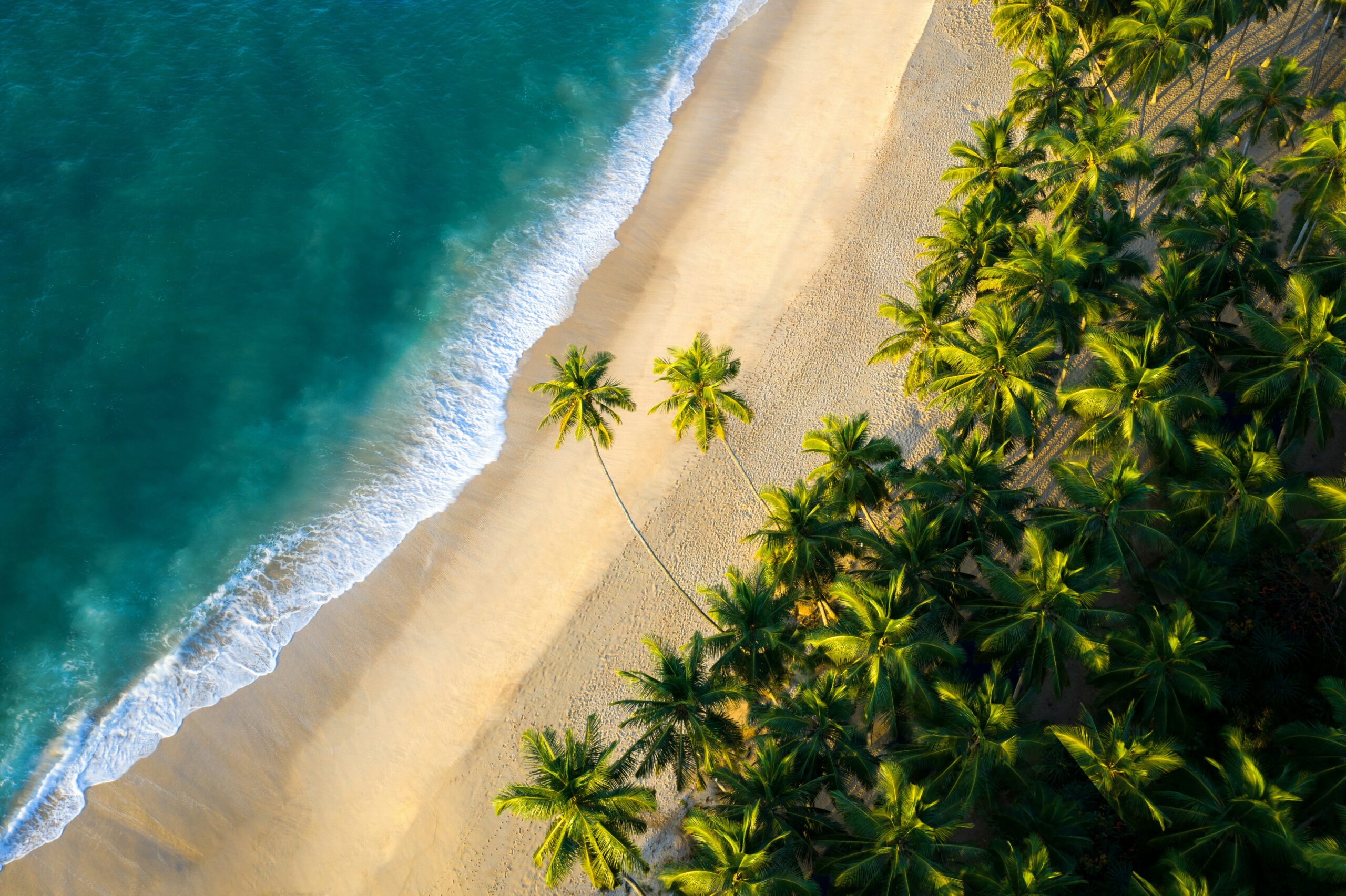
    The southern coast of Sri Lanka beckons travelers with its pristine beaches, swaying coconut palms, and turquoise waters that stretch endlessly toward the horizon. This tropical paradise offers an intoxicating blend of natural beauty, rich culture, and unforgettable experiences that make it one of Asia’s most captivating coastal destinations.

    Galle: Where History Meets the Sea
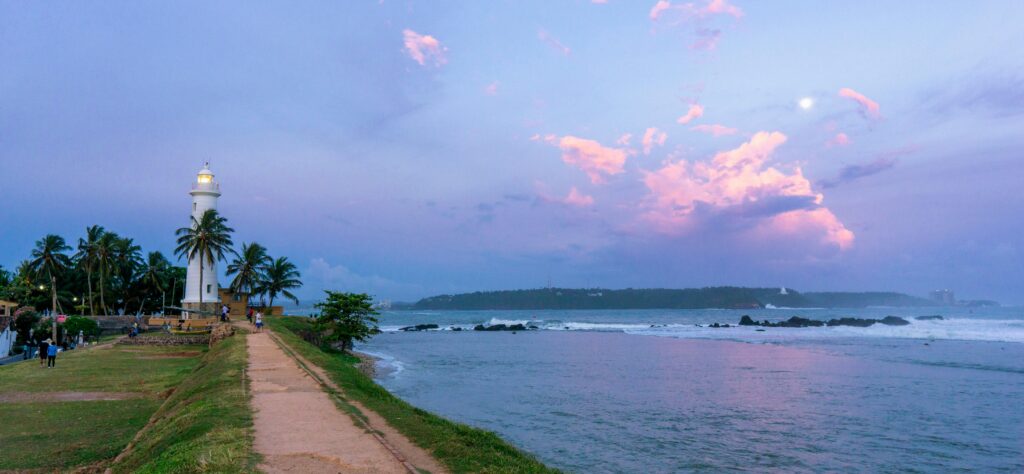
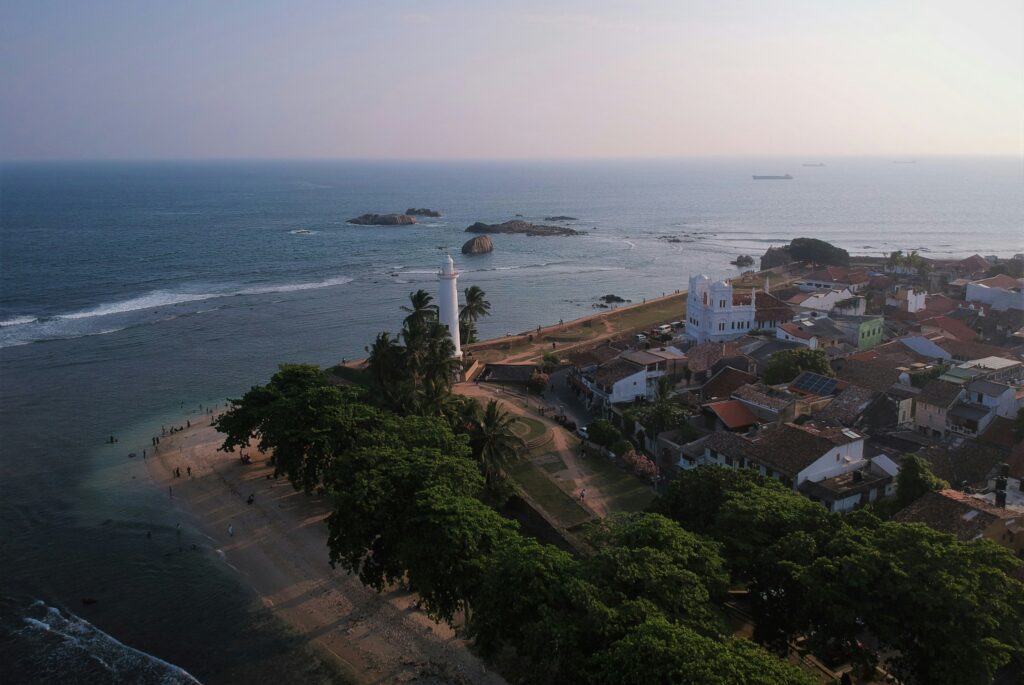
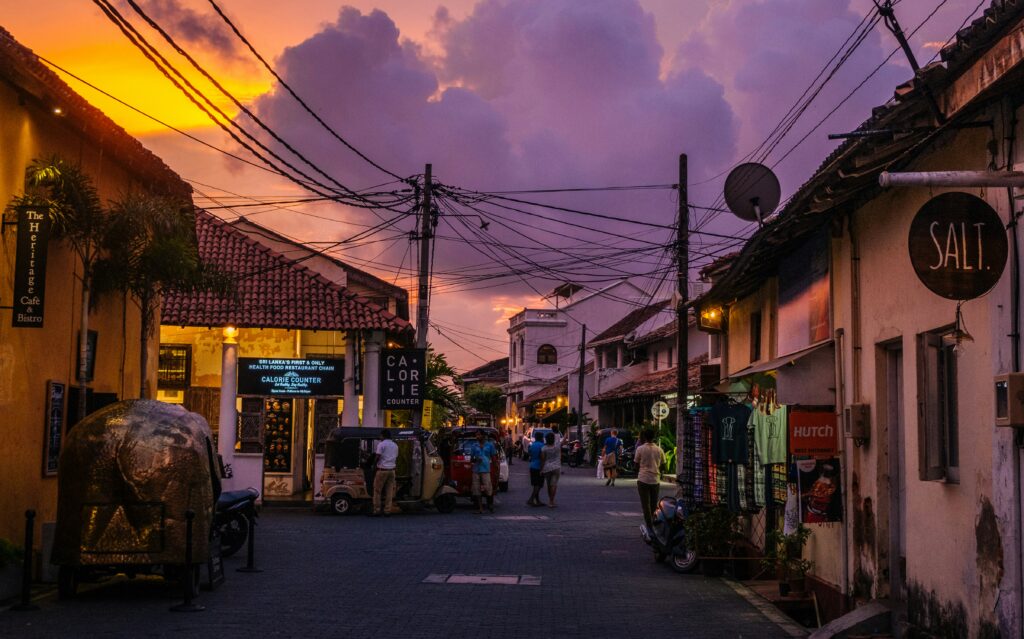
    The crown jewel of Sri Lanka’s southern coast is undoubtedly Galle, a UNESCO World Heritage site that seamlessly blends colonial charm with tropical allure. The iconic Galle Fort, built by the Portuguese in the 16th century and later fortified by the Dutch, stands as a testament to the island’s rich maritime history. Walking along the fort’s ramparts at sunset, with the Indian Ocean crashing against the ancient walls below, creates an almost magical atmosphere that transports visitors back in time.

    Within the fort’s cobblestone streets, boutique hotels, art galleries, and charming cafes occupy beautifully restored colonial buildings. The Galle Lighthouse, perched on the fort’s southeastern bastion, offers panoramic views of the coastline and serves as the perfect backdrop for memorable photographs.

    Unawatuna: The Perfect Beach Escape
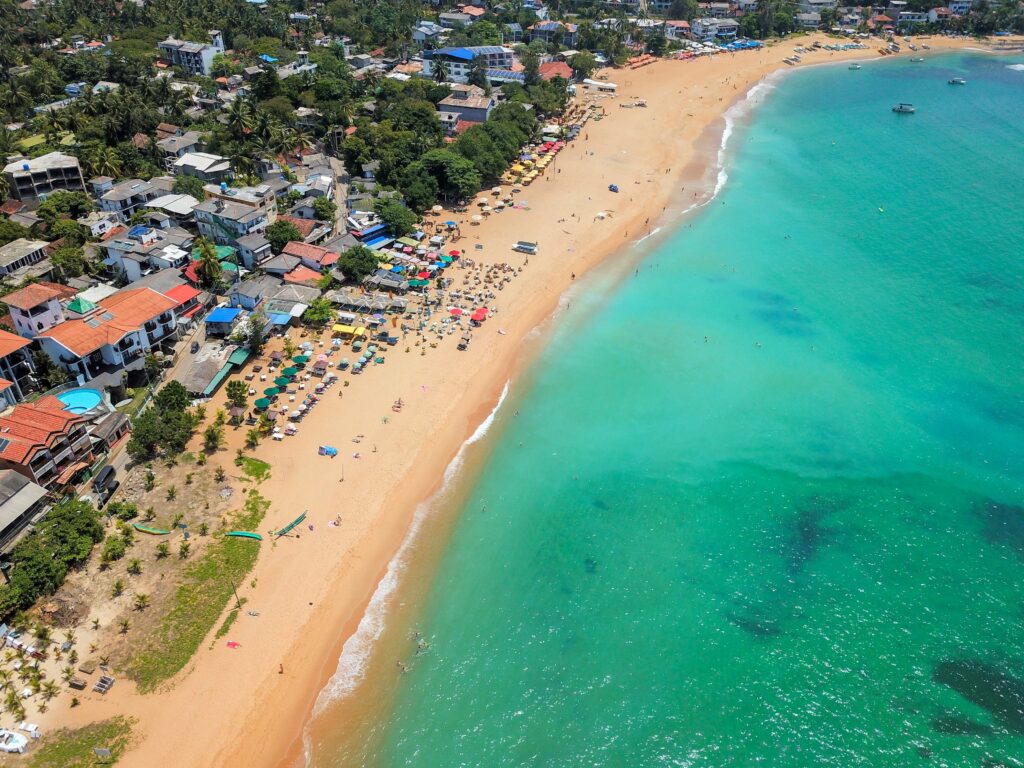
    Just a few kilometers from Galle lies Unawatuna, often hailed as one of the world’s most beautiful beaches. This crescent-shaped bay, protected by a coral reef, provides calm, crystal-clear waters ideal for swimming and snorkeling. The beach’s golden sand is fringed by restaurants serving fresh seafood and tropical cocktails, creating the perfect setting for lazy afternoon lounging.

    Unawatuna’s relaxed atmosphere attracts backpackers and luxury travelers alike. The area offers excellent diving opportunities, with colorful coral reefs and shipwrecks waiting to be explored. The nearby Japanese Peace Pagoda, perched on a hill overlooking the bay, provides breathtaking sunset views and a peaceful retreat from beach activities.

    Mirissa: Whale Watching Paradise
    Further east along the coast, Mirissa has gained international recognition as one of the world’s premier whale watching destinations. From December to April, blue whales, sperm whales, and dolphins frequent the waters off Mirissa, creating spectacular wildlife encounters just a few kilometers from shore.

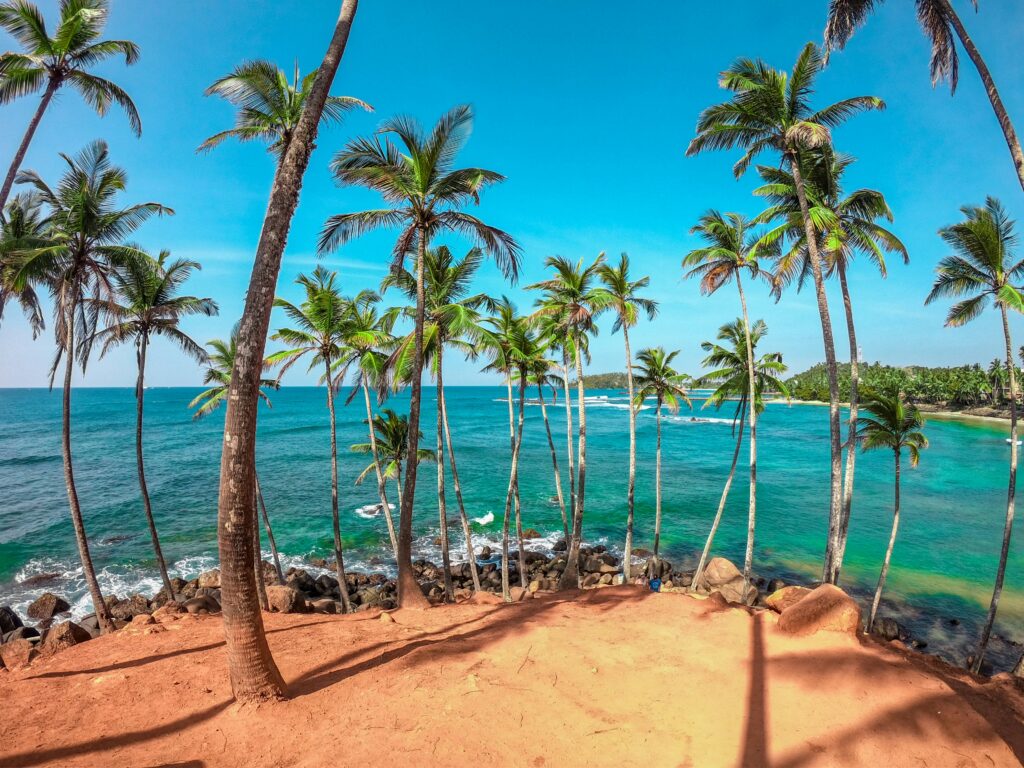
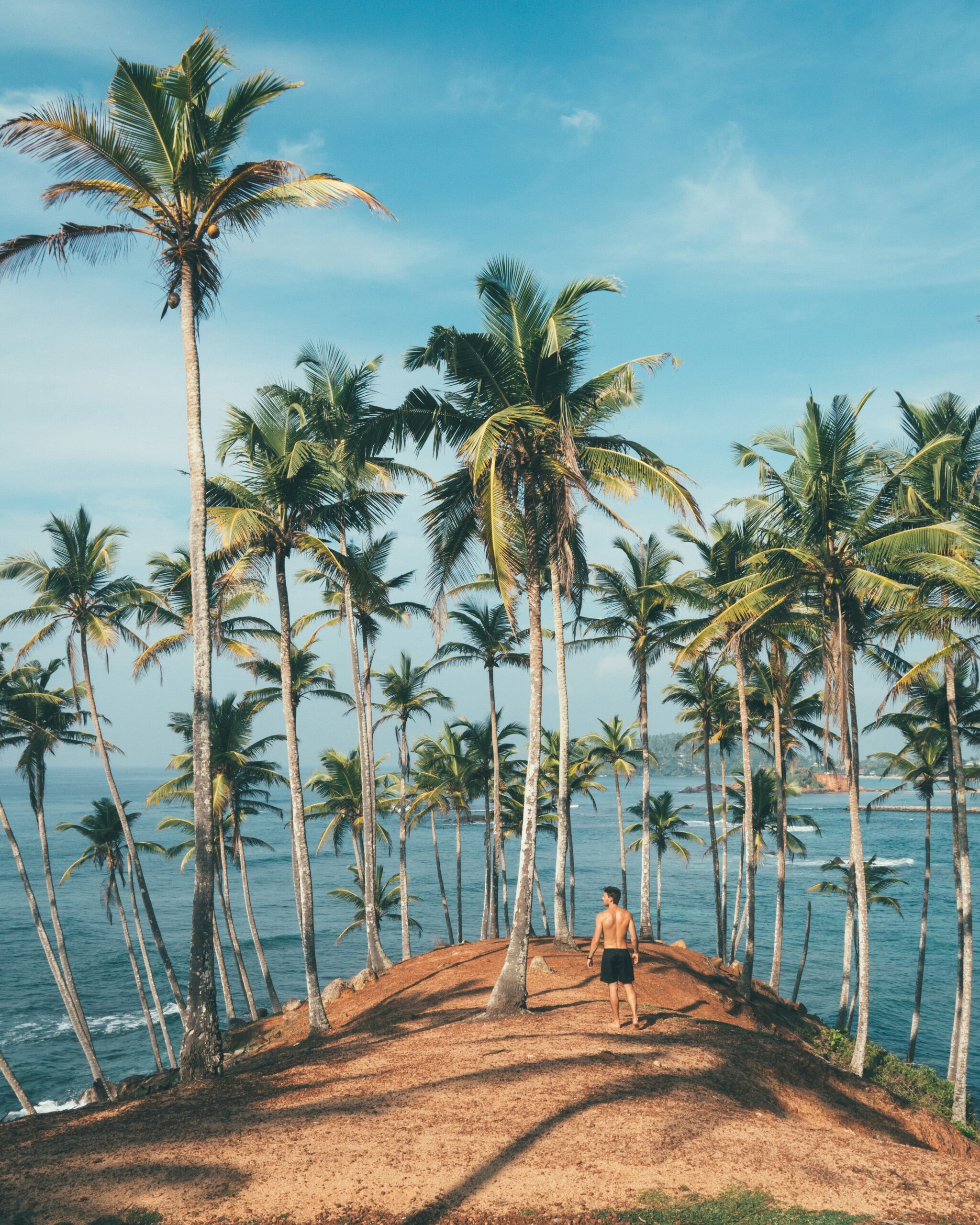
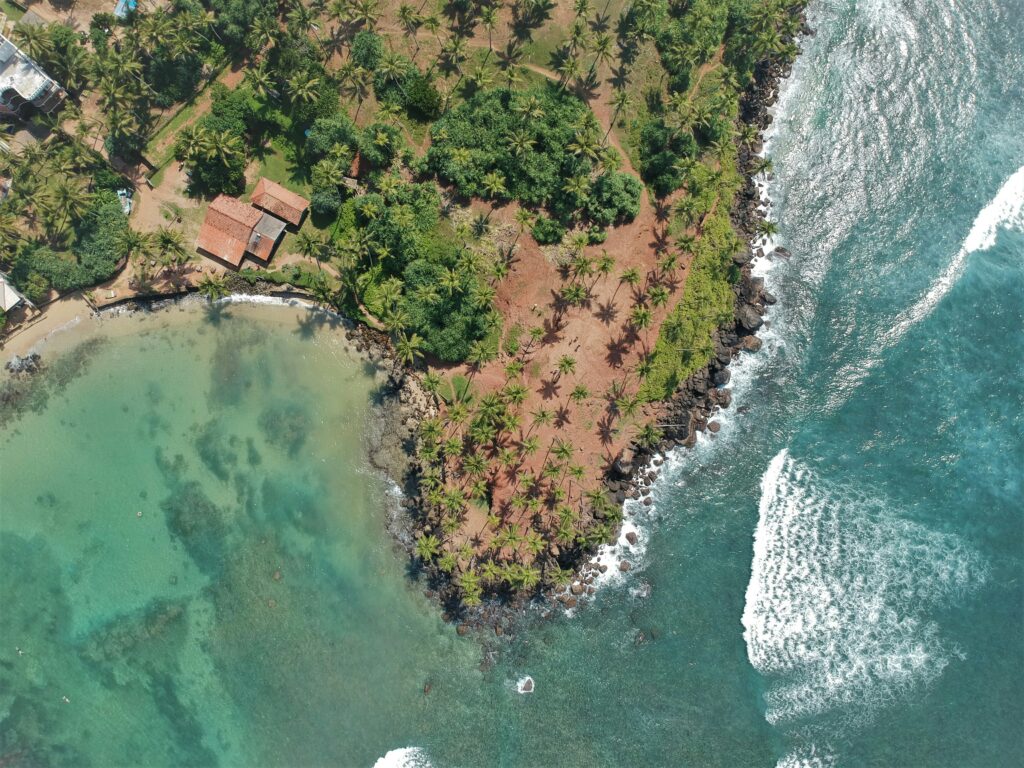
    Beyond whale watching, Mirissa Beach itself is a stunning stretch of golden sand lined with coconut palms. The famous Coconut Tree Hill offers Instagram-worthy views and has become an iconic symbol of Sri Lanka’s southern coast. The beach’s western end features a small rocky outcrop perfect for watching surfers ride the waves or simply enjoying the rhythm of the ocean.

    Tangalle: Untouched Serenity
    For those seeking a more secluded experience, Tangalle represents the southern coast’s wilder side. This area boasts some of Sri Lanka’s most pristine beaches, where golden sand meets lush tropical vegetation with minimal development. The beaches here are perfect for long walks, meditation, and connecting with nature.

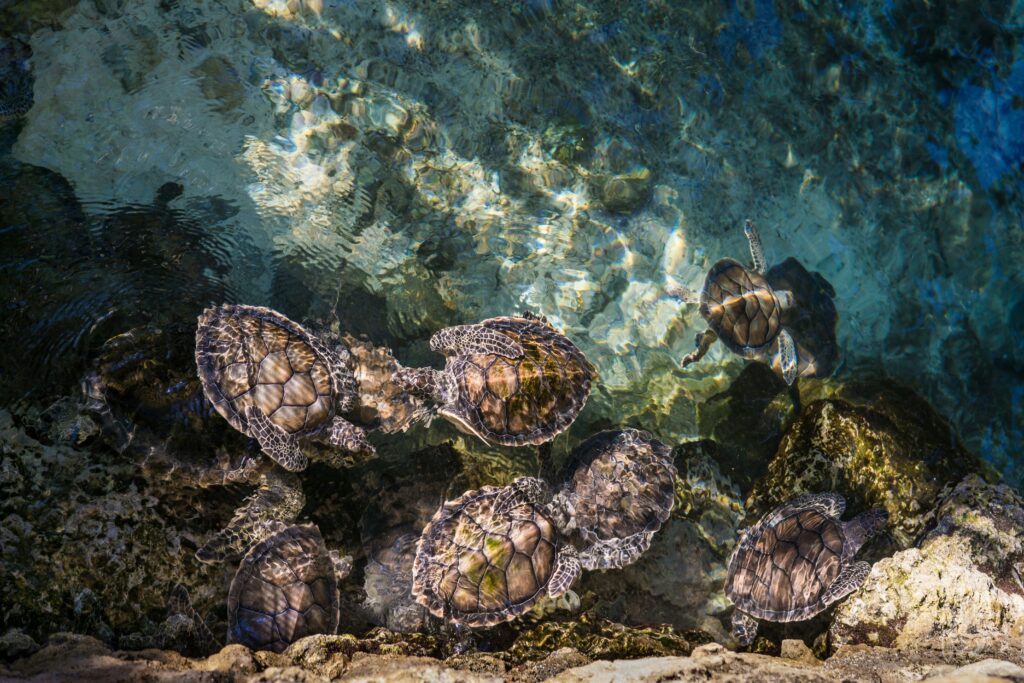
    Tangalle is also an important nesting site for sea turtles. Between January and May, visitors can witness the magical sight of turtle hatchlings making their first journey to the ocean. Several turtle conservation projects in the area work tirelessly to protect these ancient mariners and educate visitors about marine conservation.

    Weligama and the Stilt Fishermen

    The coastal town of Weligama offers visitors a glimpse into traditional Sri Lankan fishing culture. The famous stilt fishermen of Weligama have become an iconic image of the island. These skilled fishermen perch on wooden stilts planted in the shallow waters, casting their lines into the surf in a practice passed down through generations.

    Weligama Bay is also renowned for its excellent surfing conditions, attracting wave riders from around the world. The area offers surf breaks suitable for all skill levels, from gentle waves perfect for beginners to challenging breaks that test experienced surfers.

    Culinary Delights of the Southern Coast

    The southern coast’s culinary scene is as impressive as its natural beauty. Fresh seafood takes center stage, with local fishermen bringing in daily catches of tuna, snapper, and prawns. Traditional Sri Lankan curries, infused with coconut milk and aromatic spices, create unforgettable flavor experiences.

    Local specialties include fish ambul thiyal (sour fish curry), pol sambol (coconut relish), and hoppers – bowl-shaped pancakes perfect for breakfast. Many beachfront restaurants offer cooking classes where visitors can learn to prepare authentic Sri Lankan dishes using traditional methods and locally sourced ingredients.

    Adventure and Activities
    The southern coast offers activities beyond beach relaxation. Jungle trekking in nearby Sinharaja Forest Reserve provides opportunities to spot endemic wildlife and exotic birds. River safaris along the Madu Ganga reveal mangrove ecosystems teeming with monitor lizards, crocodiles, and countless bird species.

    Cultural enthusiasts can visit ancient temples, participate in traditional festivals, and learn about local customs from friendly village communities. The region’s gem mines offer fascinating insights into Sri Lanka’s reputation as the “Island of Gems.”

    Planning Your Visit

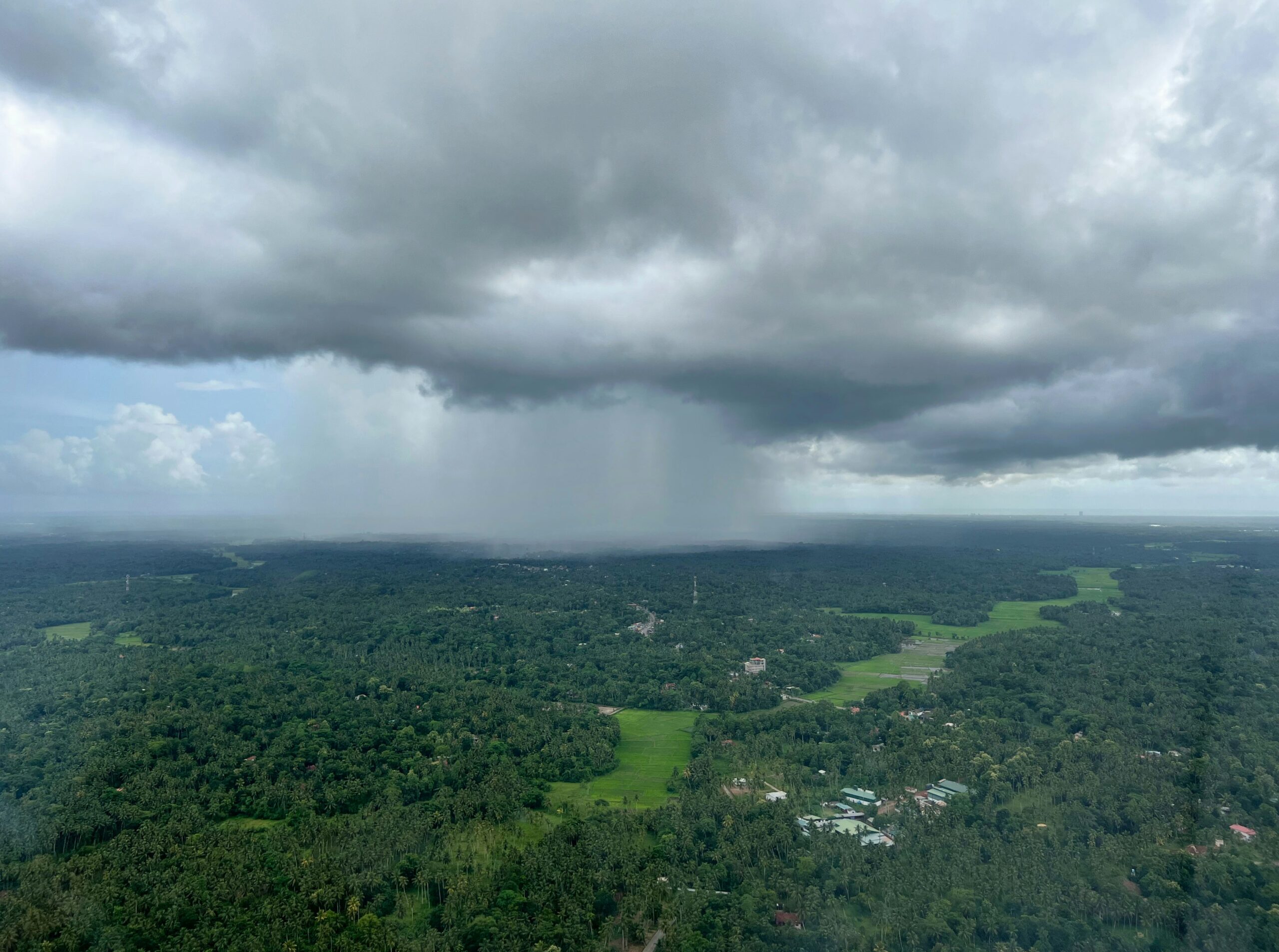
    The best time to visit Sri Lanka’s southern coast is from December to March when the weather is dry and seas are calm. The monsoon season from May to September brings rough seas and heavy rainfall, though some travelers appreciate the dramatic storms and reduced crowds.

    Accommodation options range from luxury beach resorts to budget-friendly guesthouses and eco-lodges. Many properties offer direct beach access and stunning ocean views, ensuring that the sound of waves becomes your constant companion.

    Sri Lanka’s southern coast represents tropical paradise in its purest form. Whether you’re seeking adventure, relaxation, cultural immersion, or simply the chance to disconnect from the modern world, this enchanting coastline delivers experiences that linger long after your return home. The combination of pristine beaches, rich history, warm hospitality, and affordable luxury makes the southern coast an irresistible destination for travelers seeking their own slice of paradise.

    Plan your escape to Sri Lanka’s southern coast and discover why this tropical paradise continues to captivate travelers from around the world.
  • Best Time to Visit Sri Lanka: Your Complete Weather Guide

    Best Time to Visit Sri Lanka: Your Complete Weather Guide

    Sri Lanka, the pearl of the Indian Ocean, offers year-round tropical beauty with its diverse landscapes, ancient temples, pristine beaches, and lush tea plantations. However, understanding the island’s unique weather patterns is crucial for planning the perfect trip. With two distinct monsoon seasons affecting different regions at different times, Sri Lanka’s climate can seem complex at first glance. This comprehensive guide will help you determine the ideal time to visit based on your travel preferences and desired destinations.

    Understanding Sri Lanka’s Climate Zones

    Sri Lanka’s compact size belies its diverse climate zones, influenced by elevation, coastal proximity, and monsoon patterns. The island experiences a tropical climate with three main zones:

    Coastal Areas: Hot and humid year-round with temperatures ranging from 26°C to 32°C (79°F to 90°F). These regions include Colombo, Galle, Negombo, and the popular beach destinations along the west and south coasts.

    Hill Country: Significantly cooler due to elevation, with temperatures between 16°C to 24°C (61°F to 75°F). This includes Kandy, Nuwara Eliya, Ella, and the central tea-growing regions.

    Dry Zone: Covers the northern and eastern regions, experiencing less rainfall and higher temperatures, often reaching 35°C (95°F) during peak dry periods.

    The Two Monsoon Seasons

    Sri Lanka’s weather is dominated by two monsoon systems that bring rain to different parts of the island at different times:

    Southwest Monsoon (Yala)

    Duration: May to September Affected Areas: West and south coasts, including Colombo, Galle, Mirissa, and the hill country Characteristics: Heavy rainfall, rough seas, and high humidity

    Northeast Monsoon (Maha)

    Duration: October to January Affected Areas: North and east coasts, including Trincomalee, Batticaloa, and Jaffna Characteristics: Moderate to heavy rainfall in affected regions, while other areas remain relatively dry

    Best Time to Visit by Region

    West and South Coast (December to March)

    The west and south coasts, home to popular beach destinations like Unawatuna, Mirissa, and Bentota, are at their best from December to March. During this period, you’ll enjoy:

    • Minimal rainfall and clear skies
    • Calm seas perfect for swimming and water sports
    • Comfortable temperatures averaging 28°C (82°F)
    • Ideal conditions for whale watching (December to April)
    • Perfect beach weather with gentle ocean breezes

    East Coast (April to September)

    When the southwest monsoon affects the west coast, the east coast enjoys its dry season. Popular destinations like Arugam Bay, Trincomalee, and Pasikudah offer:

    • Excellent surfing conditions, especially in Arugam Bay
    • Clear waters ideal for snorkeling and diving
    • Less crowded beaches compared to the west coast
    • Consistent sunshine with minimal rainfall
    • Great for exploring Polonnaruwa and other cultural sites nearby

    Hill Country (December to March & July to September)

    The central highlands, including Kandy, Nuwara Eliya, and Ella, have two favorable periods:

    December to March: Clear mountain views, perfect for hiking and train journeys July to September: Brief dry spell with excellent visibility for scenic photography

    During these periods, you can expect:

    • Spectacular sunrise views from Adam’s Peak
    • Clear weather for the scenic train ride from Kandy to Ella
    • Comfortable temperatures for exploring tea plantations
    • Minimal cloud cover for mountain photography

    North and Northeast (February to September)

    The northern regions, including Jaffna and the cultural triangle (Anuradhapura, Polonnaruwa), are best visited during the dry season when temperatures are more manageable and rainfall is minimal.

    Month-by-Month Weather Breakdown

    December to February: Peak tourist season with excellent weather on the west and south coasts. Expect higher prices and larger crowds, but ideal beach conditions.

    March to April: Transition period with rising temperatures. Still good for west coast beaches, becoming optimal for east coast destinations.

    May to July: Southwest monsoon begins. East coast comes into its prime while west coast experiences heavy rainfall.

    August to September: Continued monsoon on the west coast. East coast remains excellent, and hill country has a brief dry period.

    October to November: Inter-monsoon period with unpredictable weather. Northeast monsoon begins, affecting the east coast.

    Special Considerations

    Festival Seasons

    Sri Lanka’s cultural calendar significantly impacts travel experiences:

    • Sinhala and Tamil New Year (April): Businesses close, but cultural celebrations abound
    • Vesak Festival (May): Buddhist full moon celebration with spectacular decorations
    • Kandy Esala Perahera (July/August): The island’s most famous cultural procession

    Wildlife Viewing

    Different seasons offer varying wildlife experiences:

    • Dry Season (June to September): Best for safari in Yala and Udawalawe National Parks as animals gather around water sources
    • Whale Watching Season (December to April): Blue and sperm whales migrate along the south coast

    Tips for Weather-Smart Travel

    Pack Appropriately: Always include rain gear regardless of season, as tropical showers can occur unexpectedly. Light, breathable clothing is essential for coastal areas, while warmer layers are necessary for hill country destinations.

    Stay Flexible: Sri Lanka’s compact size allows for easy regional movement. If weather doesn’t cooperate in one area, you can quickly travel to regions experiencing better conditions.

    Check Local Forecasts: Weather patterns can vary significantly within short distances. Local forecasts provide more accurate information than general country-wide predictions.

    Consider Shoulder Seasons: April-May and September-November offer fewer crowds and lower prices, though weather can be less predictable.

    Sri Lanka’s year-round tropical climate means there’s never a completely “bad” time to visit, but understanding regional weather patterns helps optimize your experience. The key is matching your desired activities and destinations with favorable weather conditions. Whether you’re seeking perfect beach weather, ideal hiking conditions, or optimal wildlife viewing, timing your visit according to this weather guide ensures you’ll experience the best of what this incredible island nation has to offer.

    Remember that Sri Lanka’s weather, like its culture, is diverse and dynamic. Embrace the tropical rhythms, stay flexible with your plans, and you’ll discover why this island paradise captivates visitors regardless of the season.

  • Wildlife Safari Adventures in Sri Lanka

    Wildlife Safari Adventures in Sri Lanka

    Sri Lanka, the pearl of the Indian Ocean, offers some of the most spectacular wildlife safari experiences in Asia. This tropical island nation packs an incredible diversity of ecosystems into its compact 65,610 square kilometers, making it a paradise for wildlife enthusiasts and nature photographers alike. From majestic elephants roaming ancient landscapes to elusive leopards prowling through dense forests, Sri Lanka’s safari adventures promise unforgettable encounters with some of the world’s most fascinating creatures.

    The Big Five of Sri Lankan Safaris

    While Africa has its famous Big Five, Sri Lanka boasts its own remarkable collection of iconic species that draw visitors from around the globe.

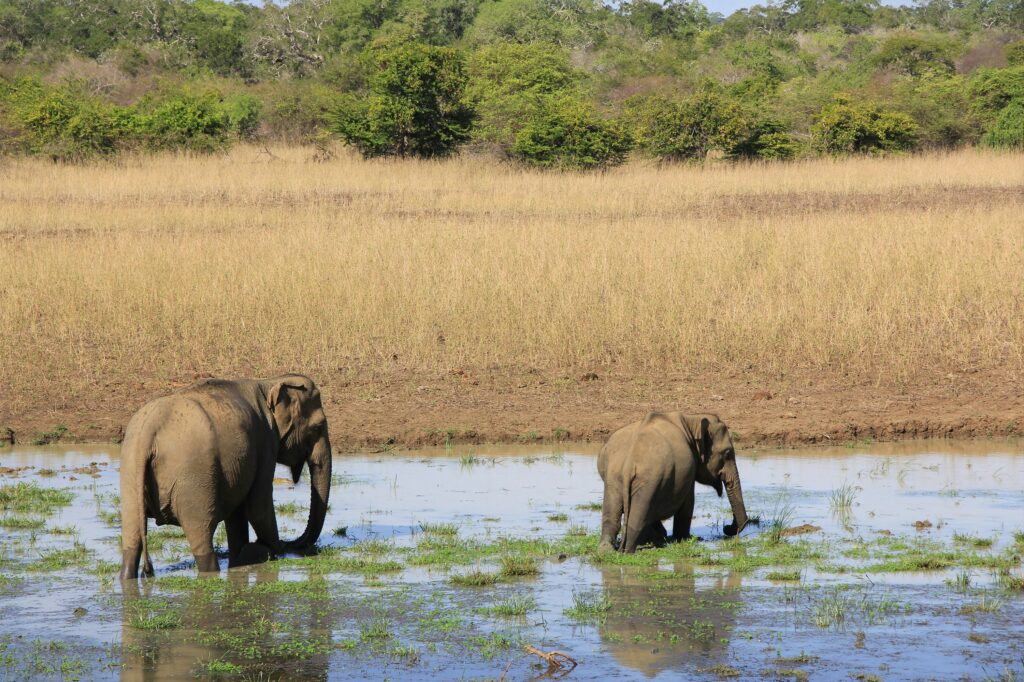
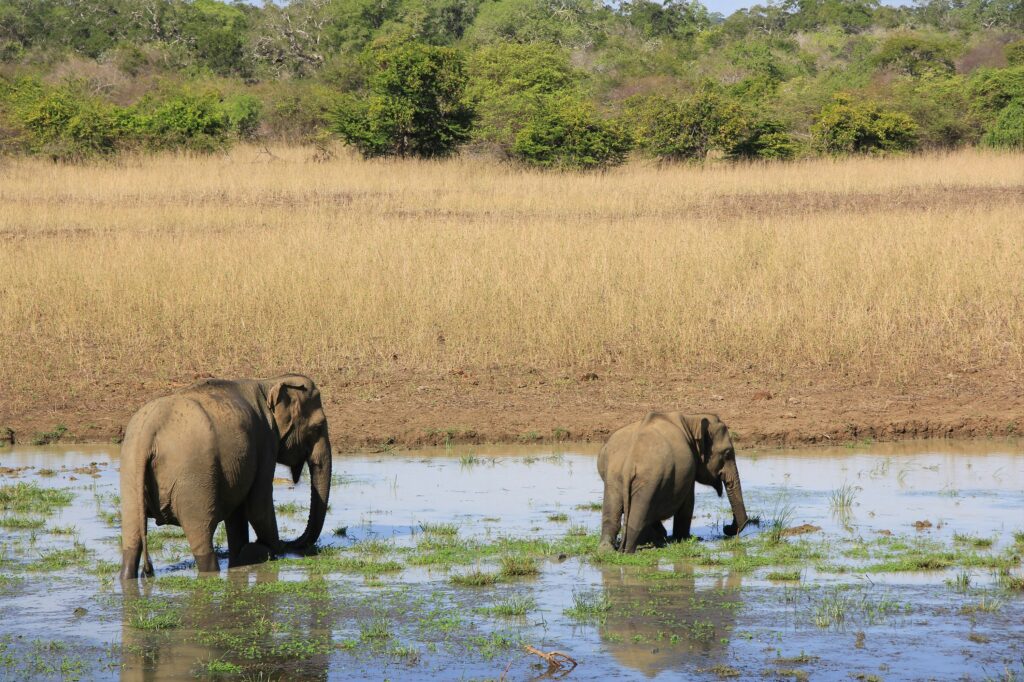
    The Sri Lankan elephant, smaller than its African cousin but equally magnificent, roams freely through several national parks. These gentle giants, numbering around 6,000 in the wild, are best observed during the dry season when they gather around water sources.

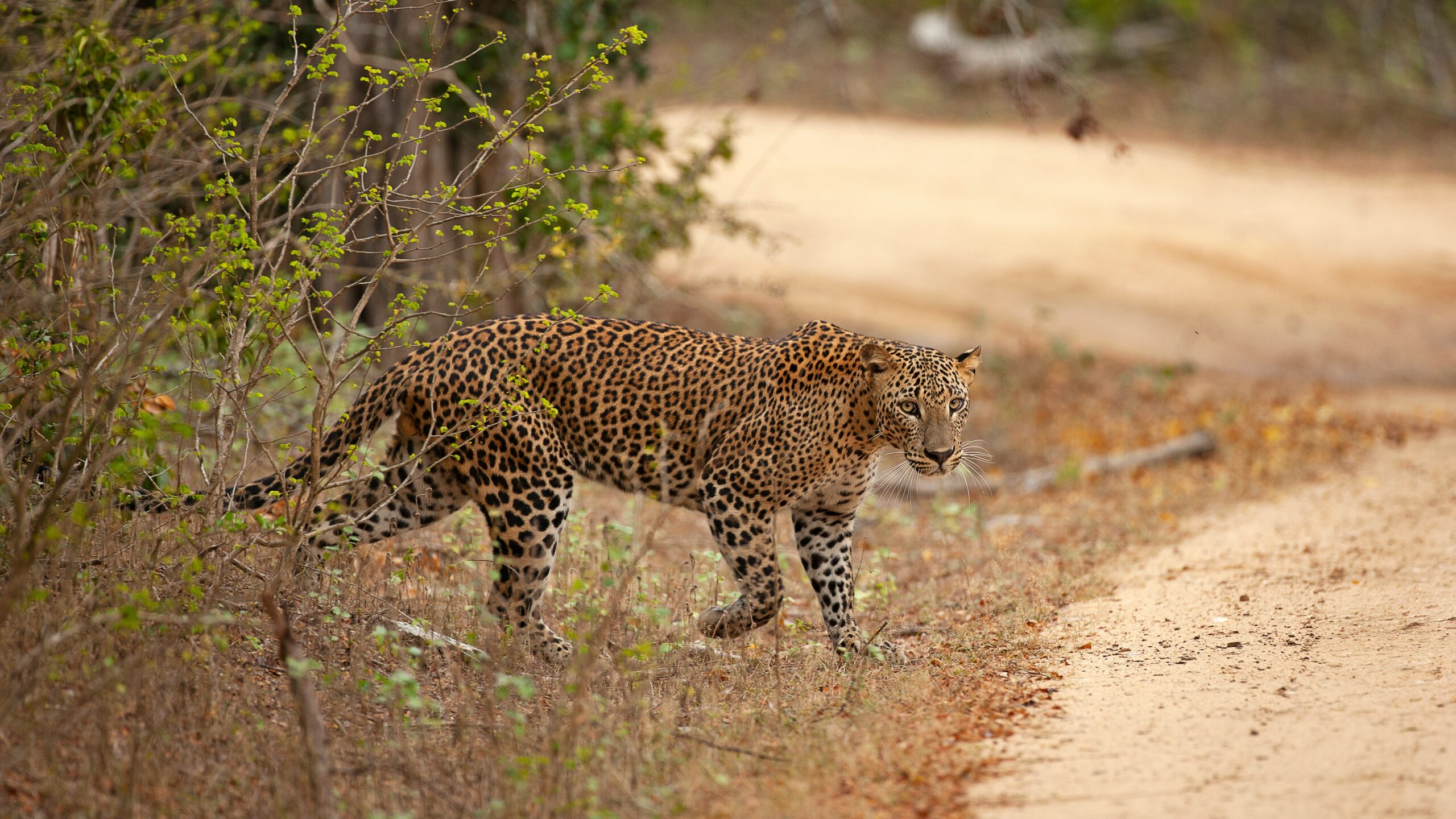
    The Sri Lankan leopard, a subspecite found nowhere else on Earth, represents the island’s apex predator. Yala National Park holds one of the highest leopard densities in the world, offering visitors excellent chances of spotting these magnificent cats. Unlike their African counterparts, Sri Lankan leopards have adapted to be excellent climbers and swimmers, making them truly unique.

    Sloth bears, with their distinctive shaggy coats and playful nature, add a touch of whimsy to any safari experience. These omnivorous bears are particularly active during fruiting seasons and can often be seen climbing trees or foraging for insects and honey.

    The island’s diverse bird population exceeds 400 species, with over 30 endemic varieties. From the vibrant Sri Lankan junglefowl to the majestic white-bellied sea eagle, birdwatchers will find themselves in absolute heaven. The painted stork, spot-billed pelican, and various species of kingfishers create a colorful tapestry against Sri Lanka’s lush landscapes.

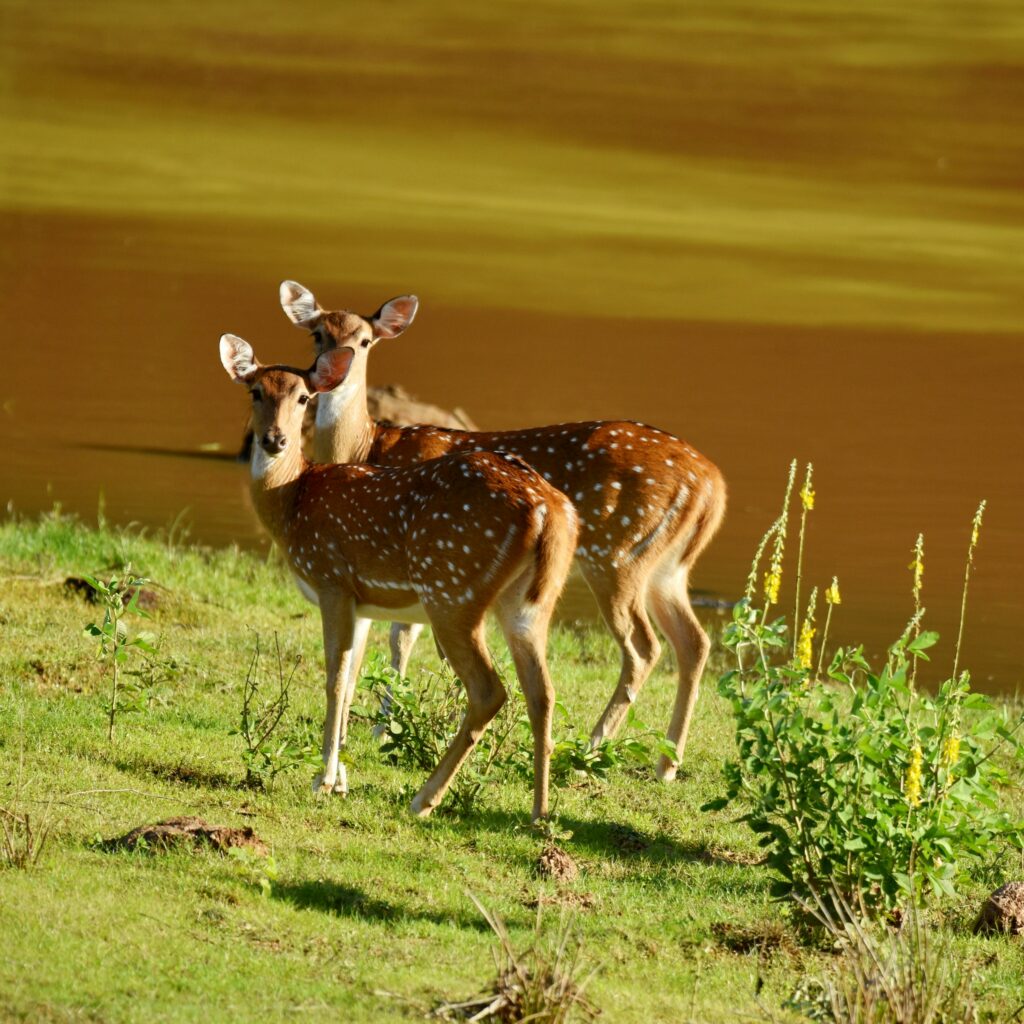
    Water buffalo and spotted deer complete the lineup, often serving as prey species that support the larger predators while creating dynamic ecosystem interactions that fascinate wildlife observers.

    Premier Safari Destinations

    Yala National Park stands as Sri Lanka’s most famous wildlife destination, covering 979 square kilometers of diverse terrain. The park’s dry climate and varied landscapes, from dense jungle to open grasslands and coastal lagoons, support an incredible array of wildlife. Beyond its famous leopard population, Yala hosts over 200 bird species and serves as an important habitat for elephants, crocodiles, and various deer species.

    Udawalawe National Park specializes in elephant encounters, created specifically to provide a sanctuary for elephants displaced by the Udawalawe Reservoir construction. The park’s open grasslands make wildlife spotting relatively easy, and the Elephant Transit Home nearby offers insights into conservation efforts for orphaned elephant calves.

    Wilpattu National Park, Sri Lanka’s largest national park, offers a more remote and pristine safari experience. Known for its unique “villus” (natural lakes), Wilpattu provides excellent leopard sightings with fewer crowds than Yala. The park’s dense forest cover and numerous water bodies create perfect conditions for diverse wildlife populations.

    Minneriya and Kaudulla National Parks host the famous “Gathering,” where hundreds of elephants congregate during the dry season (July to October) around ancient reservoirs. This natural phenomenon ranks among Asia’s greatest wildlife spectacles, offering photographers and wildlife enthusiasts unparalleled opportunities to observe elephant behavior.

    Sinharaja Forest Reserve, a UNESCO World Heritage Site, represents Sri Lanka’s last viable area of primary tropical rainforest. While larger mammals are scarce, the reserve teems with endemic birds, reptiles, amphibians, and insects, making it essential for serious naturalists.

    Best Time for Safari Adventures

    Sri Lanka’s position near the equator creates distinct dry and wet seasons that significantly impact wildlife viewing opportunities. The dry season, from May to September, generally provides the best safari conditions as animals congregate around water sources, vegetation is less dense, and roads remain accessible.

    However, timing varies by region due to the island’s two monsoon seasons. The southwest monsoon affects the western and southern regions from May to September, while the northeast monsoon impacts the northern and eastern areas from October to January. This creates opportunities for year-round wildlife viewing in different parts of the island.

    For elephant gatherings at Minneriya and Kaudulla, visit between July and October. Leopard spotting in Yala peaks during dry months when cats are more active and visible. Bird watching enthusiasts should consider visiting during migration periods when both resident and visiting species are present.

    Safari Experience and Logistics

    Most Sri Lankan safaris utilize open-air jeeps that accommodate 6-8 passengers, providing excellent visibility and photography opportunities. Half-day safaris typically last 3-4 hours, while full-day excursions can extend to 8-10 hours with breaks for meals and rest.

    Accommodation options range from luxury eco-lodges offering spa services and gourmet dining to budget-friendly guesthouses providing basic comfort. Many properties position themselves strategically near park entrances, minimizing travel time and maximizing wildlife viewing opportunities.

    Professional guides enhance the safari experience significantly, possessing intimate knowledge of animal behavior, tracking skills, and the ability to spot camouflaged creatures that untrained eyes might miss. Their expertise in local ecology and conservation efforts adds educational value to thrilling wildlife encounters.

    Conservation and Responsible Tourism

    Sri Lanka’s wildlife faces mounting pressures from habitat loss, human-elephant conflict, and climate change. Responsible safari operators contribute directly to conservation efforts through park fees, community employment, and supporting anti-poaching initiatives.

    Visitors can contribute by choosing eco-certified operators, maintaining respectful distances from wildlife, avoiding plastic waste, and supporting local communities. Many parks now implement strict vehicle quotas and designated routes to minimize environmental impact while ensuring sustainable wildlife viewing.

    The Department of Wildlife Conservation works tirelessly to balance conservation needs with tourism development, creating corridors for animal movement and implementing innovative solutions to reduce human-wildlife conflict.

    Planning Your Sri Lankan Safari Adventure

    Sri Lanka’s compact size allows visitors to experience multiple ecosystems and parks within a single trip. A typical wildlife-focused itinerary might include 2-3 days in Yala for leopards, 1-2 days in Udawalawe for elephants, and a day trip to Minneriya during gathering season.

    Combining safari adventures with cultural experiences creates a well-rounded Sri Lankan experience. Ancient cities like Anuradhapura and Polonnaruwa, the cultural heart of Kandy, and the colonial charm of Galle complement wildlife encounters perfectly.

    Professional tour operators can customize itineraries based on specific interests, whether focusing on big cats, elephants, birds, or comprehensive wildlife experiences. Many offer photography-focused tours with specialized guides and optimal timing for capturing stunning wildlife images.

    Sri Lanka’s wildlife safari adventures offer an intimate connection with nature that few destinations can match. The island’s incredible biodiversity, combined with excellent infrastructure and passionate local guides, creates unforgettable experiences for wildlife enthusiasts of all levels. Whether seeking the thrill of leopard encounters, the majesty of elephant gatherings, or the serenity of pristine forests, Sri Lanka delivers safari adventures that will remain etched in memory long after the journey ends.

  • A Complete Guide to Sri Lankan Cuisine: Flavors of the Spice Island

    A Complete Guide to Sri Lankan Cuisine: Flavors of the Spice Island

    Sri Lankan cuisine is a vibrant blend of spices, coconut, and fresh ingredients that reflects the island’s rich cultural heritage. Known as the “Spice Island,” Sri Lanka offers some of the world’s most flavorful and aromatic dishes. This guide will introduce you to the essential flavors and must-try dishes of this incredible culinary tradition.

    The Foundation of Sri Lankan Cooking

    Essential Spices

    Sri Lankan cuisine is built on aromatic spices that have been cultivated on the island for over 2,000 years:

    • Ceylon Cinnamon – sweeter than regular cinnamon
    • Cardamom – both green and black varieties
    • Curry Leaves – fresh leaves with citrusy fragrance
    • Black Pepper, Cloves, and Nutmeg
    • Turmeric and Coriander

    Coconut: The Heart of Every Dish

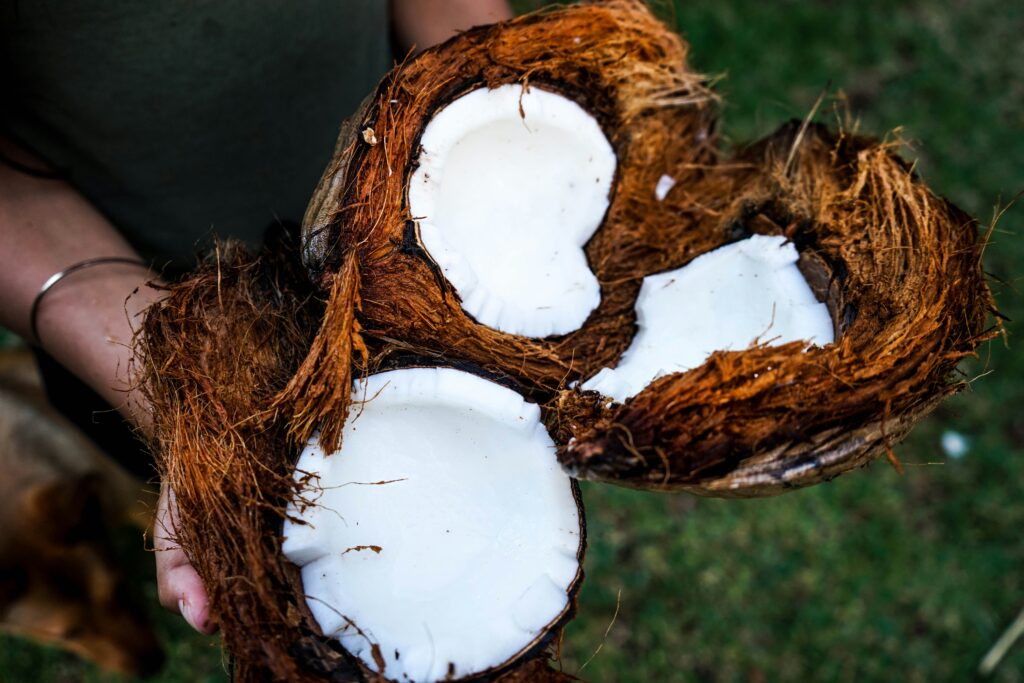
    Coconut appears in multiple forms – fresh coconut milk for curries, grated coconut for texture, and coconut oil for cooking. It’s truly the foundation of Sri Lankan cuisine.

    Rice: The Daily Staple

    Rice is served at every meal, from everyday white rice to nutritious red rice varieties.

    Must-Try Traditional Dishes

    Rice and Curry: The National Meal

    A traditional Sri Lankan meal consists of rice surrounded by multiple curries, each with distinct flavors:

    • Fish or meat curry (the main protein)
    • Dhal curry (spiced lentils)
    • 2-3 vegetable curries
    • Mallung (chopped greens with coconut)
    • Pol sambol (spicy coconut condiment)

    Hoppers (Appa): Bowl-Shaped Pancakes


    These fermented rice flour pancakes are cooked in curved pans, creating crispy edges and soft centers. Try egg hoppers with a cracked egg in the middle, or string hoppers – delicate steamed rice noodles.

    Kottu Roti: Street Food Symphony

    Sri Lanka’s most famous street food features chopped roti bread stir-fried with vegetables, eggs, and meat. The rhythmic chopping sound creates music in the streets every evening.

    Kiribath: Ceremonial Milk Rice

    Rice cooked in thick coconut milk and cut into diamond shapes. This creamy dish is prepared for special occasions and New Year celebrations.

    Popular Curries

    Fish Curries

    • Ambul Thiyal – tangy sour fish curry from the south
    • Fish White Curry – mild curry with coconut milk
    • Crab Curry – a festive delicacy

    Meat Curries

    • Chicken Curry – aromatic and spicy
    • Beef Curry – slow-cooked with spices
    • Deviled dishes – spicy stir-fried preparations

    Vegetable Curries

    • Jackfruit Curry – young jackfruit cooked like meat
    • Dhal Curry – creamy spiced lentils
    • Eggplant and Okra Curries

    Essential Condiments (Sambols)

    Pol Sambol

    The most important Sri Lankan condiment – grated coconut mixed with chili, onions, lime juice, and salt. This fiery red mixture adds heat to any meal.

    Seeni Sambol

    Caramelized onions cooked with spices and jaggery until sweet and jammy.

    Lunu Miris

    A powerful chili paste made with red chilies, onions, and lime juice.

    Sweets and Desserts

    Traditional Sweets (Kavum)

    • Kokis – crispy lace-like cookies
    • Watalappan – spiced coconut custard
    • Aluwa – sweet fudge made with rice flour

    Colonial-Influenced Treats

    • Love Cake – rich fruitcake with cashews
    • Breudher – Dutch-style layered cake

    Beverages

    Ceylon Tea

    World-famous tea served hot or iced, often with milk and sugar.

    Traditional Drinks

    • King Coconut Water – naturally sweet and refreshing
    • Arrack – traditional palm wine
    • Faluda – sweet drink with basil seeds

    Regional Specialties

    Jaffna (North)

    Tamil-influenced cuisine with unique spice profiles and crab curries.

    Hill Country (Central)

    Tea estate influences with distinctive pittu (steamed rice flour) preparations.

    Southern Coast

    Exceptional seafood with preservation techniques like ambul thiyal.

    Cooking Tips

    Essential Techniques

    • Tempering – heating whole spices in oil for maximum flavor
    • Clay pot cooking – for authentic earthy flavors
    • Fresh spice grinding – for superior taste

    Key Ingredients to Stock

    • Ceylon cinnamon and cardamom
    • Coconut milk and fresh curry leaves
    • Various rice and lentil types
    • Quality chili powder and turmeric

    Dining Culture

    Traditional Style

    Meals are typically eaten with the right hand, allowing better mixing of rice and curries. All dishes are served simultaneously rather than in courses.

    Hospitality

    Sri Lankan hospitality is legendary – guests are always offered food, and “Have you eaten?” is a common greeting.

    Health Benefits

    Sri Lankan cuisine offers numerous health benefits through its spice-rich preparations:

    • Turmeric – anti-inflammatory properties
    • Cinnamon – helps regulate blood sugar
    • Coconut – provides healthy medium-chain fatty acids
    • Balanced nutrition – rice, lentils, vegetables, and spices create naturally balanced meals

    Where to Try Authentic Sri Lankan Food

    In Sri Lanka:

    • Local homestays for authentic home cooking
    • Street food stalls for kottu roti and hoppers
    • Village restaurants for traditional preparations

    Internationally: Sri Lankan restaurants are growing in popularity worldwide, especially in areas with diaspora communities.

    Getting Started at Home

    Begin With Simple Dishes

    Start with basic rice and curry, learn to make pol sambol, or try cooking hoppers with a regular non-stick pan.

    Essential Equipment

    • Good spice grinder
    • Clay pots (if available)
    • Non-stick pan for hoppers

    Sri Lankan cuisine offers an incredible journey of flavors that combines ancient spice traditions with fresh tropical ingredients. From the complexity of a traditional rice and curry meal to the simple pleasure of perfectly spiced tea, every dish reflects the island’s rich cultural heritage.

    Whether you’re planning to visit Sri Lanka or recreate these flavors at home, understanding this cuisine opens up a world of aromatic, healthy, and deeply satisfying food experiences. Start with one dish, master the spice combinations, and gradually build your Sri Lankan cooking repertoire.

    The beauty of Sri Lankan food lies in its ability to bring people together through shared meals and incredible flavors. Each recipe carries centuries of tradition and the warmth of Sri Lankan hospitality.


    Ready to try Sri Lankan cooking? Start with a simple rice and curry meal or learn to make the famous pol sambol. Share your cooking adventures in the comments below!

  • Top 10 Must-Visit Destinations in Sri Lanka: A Paradise Island Adventure

    Top 10 Must-Visit Destinations in Sri Lanka: A Paradise Island Adventure

    Sri Lanka, the pearl of the Indian Ocean, is a captivating island nation that offers an incredible diversity of experiences within its compact borders. From ancient temples and colonial architecture to pristine beaches and lush tea plantations, this tropical paradise has something for every traveler. Here are the top 10 destinations that should be on every visitor’s Sri Lankan itinerary.

    Sigiriya – The Lion Rock Fortress

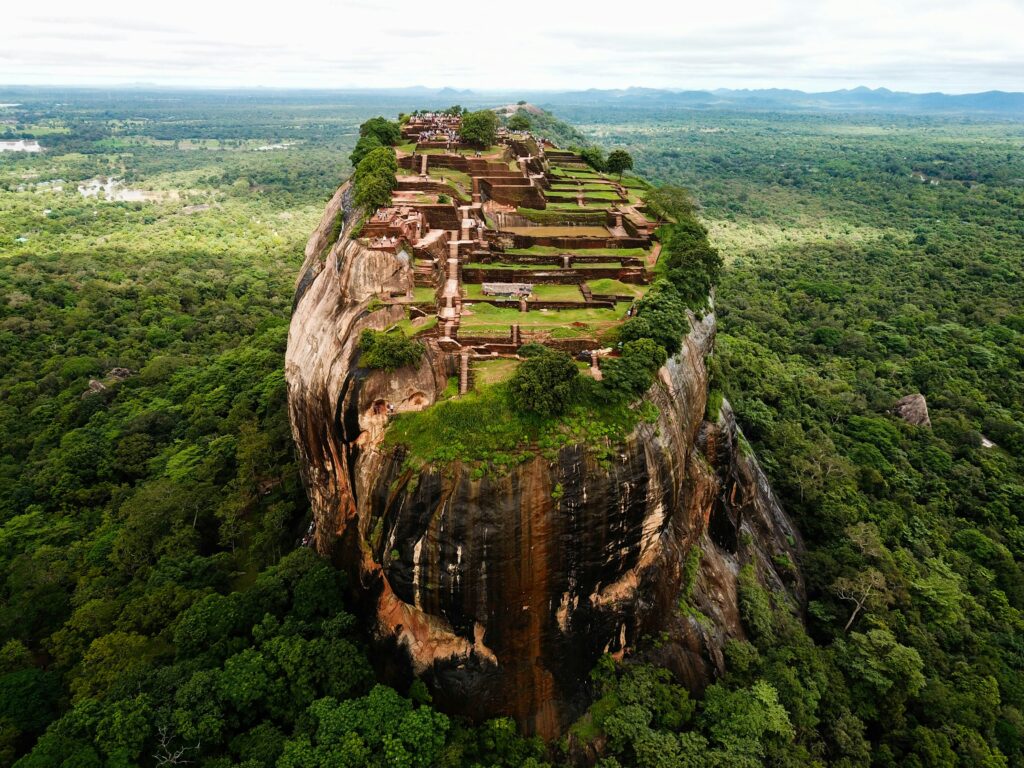
    Rising majestically from the central plains, Sigiriya is undoubtedly Sri Lanka’s most iconic landmark. This ancient rock fortress, built in the 5th century by King Kashyapa, stands 200 meters above the surrounding landscape and is a UNESCO World Heritage Site.

    What makes it special:

    • Ancient frescoes of celestial maidens painted on the rock face
    • Spectacular 360-degree views from the summit
    • Well-preserved ruins of royal gardens and water features
    • The famous Lion’s Gate entrance

    Best time to visit: Early morning or late afternoon to avoid crowds and heat.

    Kandy – The Cultural Capital

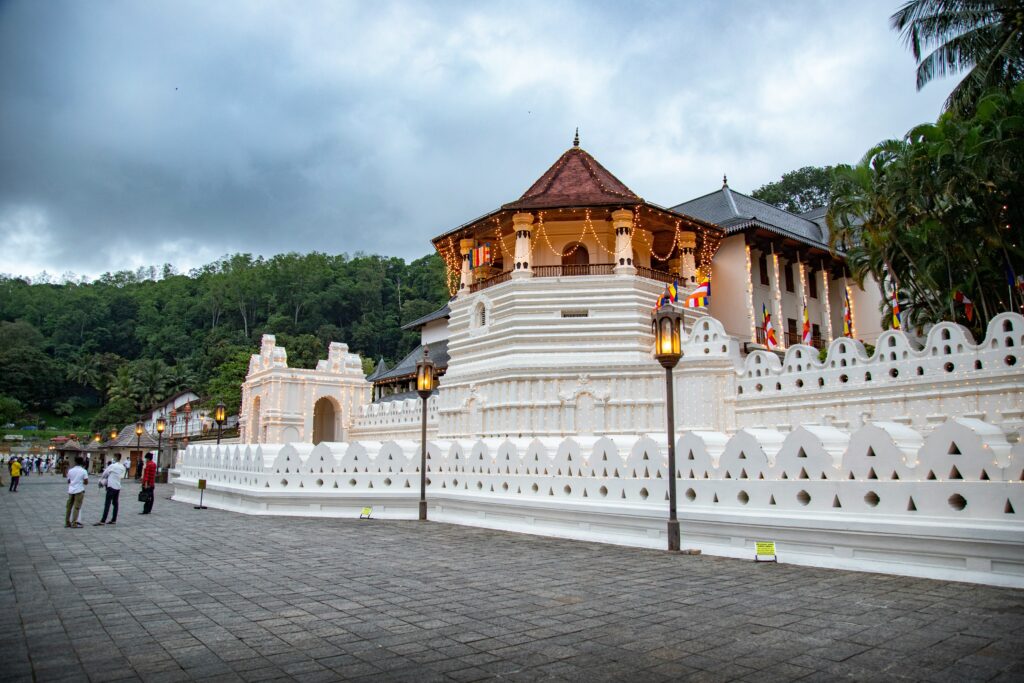
    Nestled in the central hills, Kandy was the last capital of the ancient kings of Sri Lanka and remains the island’s cultural heart. The city revolves around the sacred Temple of the Tooth Relic, which houses one of Buddhism’s most revered artifacts.

    Must-see attractions:

    • Temple of the Sacred Tooth Relic (Sri Dalada Maligawa)
    • Royal Botanical Gardens in Peradeniya
    • Kandy Lake and its scenic walking paths
    • Traditional Kandyan dance performances

    Special experience: Visit during the Esala Perahera festival (July/August) for one of Asia’s most spectacular religious processions.

    Nuwara Eliya – Little England in the Hills

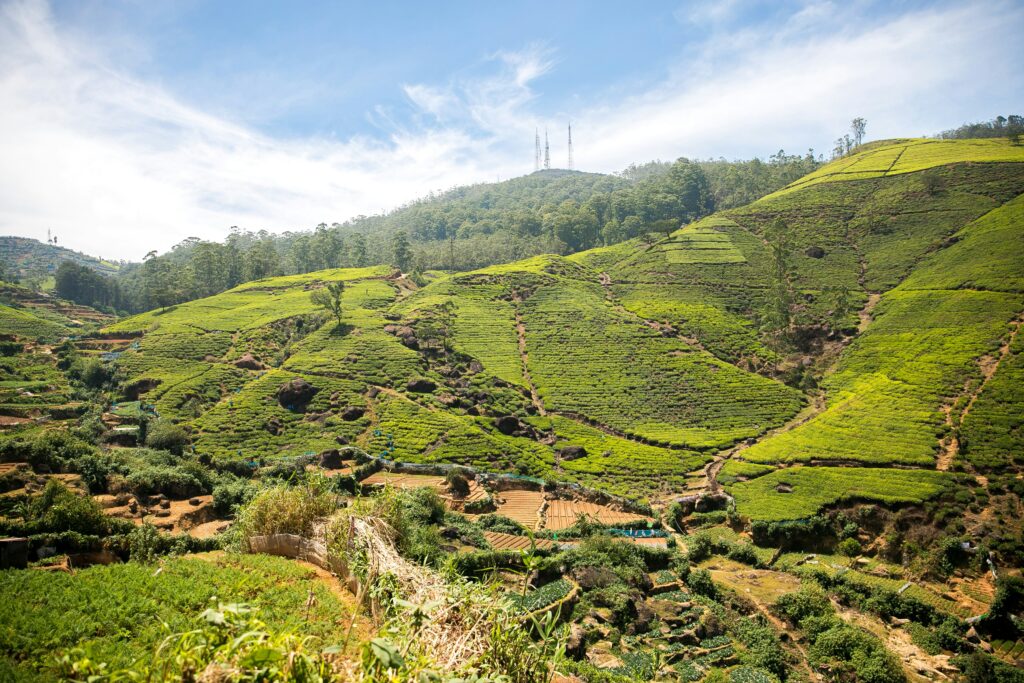
    Known as “Little England,” Nuwara Eliya is Sri Lanka’s premier hill station, famous for its cool climate, colonial architecture, and world-renowned tea plantations. The town sits at 1,868 meters above sea level, offering a refreshing escape from the tropical heat.

    Highlights:

    • Visit working tea factories and learn about Ceylon tea production
    • Explore the picturesque Lake Gregory
    • Play golf at one of Asia’s oldest golf courses
    • Stay in charming colonial-era hotels

    Photography tip: The early morning mist over the tea plantations creates magical photo opportunities.

    Galle – Colonial Charm by the Sea

    The fortified city of Galle showcases Sri Lanka’s colonial heritage like nowhere else. The UNESCO-listed Galle Fort, built by the Dutch in the 17th century, contains a fascinating blend of European architecture and South Asian traditions.

    Key attractions:

    • Walk along the fort’s ramparts at sunset
    • Browse boutique shops and art galleries within the fort
    • Visit the historic Dutch Reformed Church
    • Explore the National Maritime Museum

    Local insight: The fort comes alive in the evening with street food vendors and local artists.

    Anuradhapura – Ancient Capital of Kings

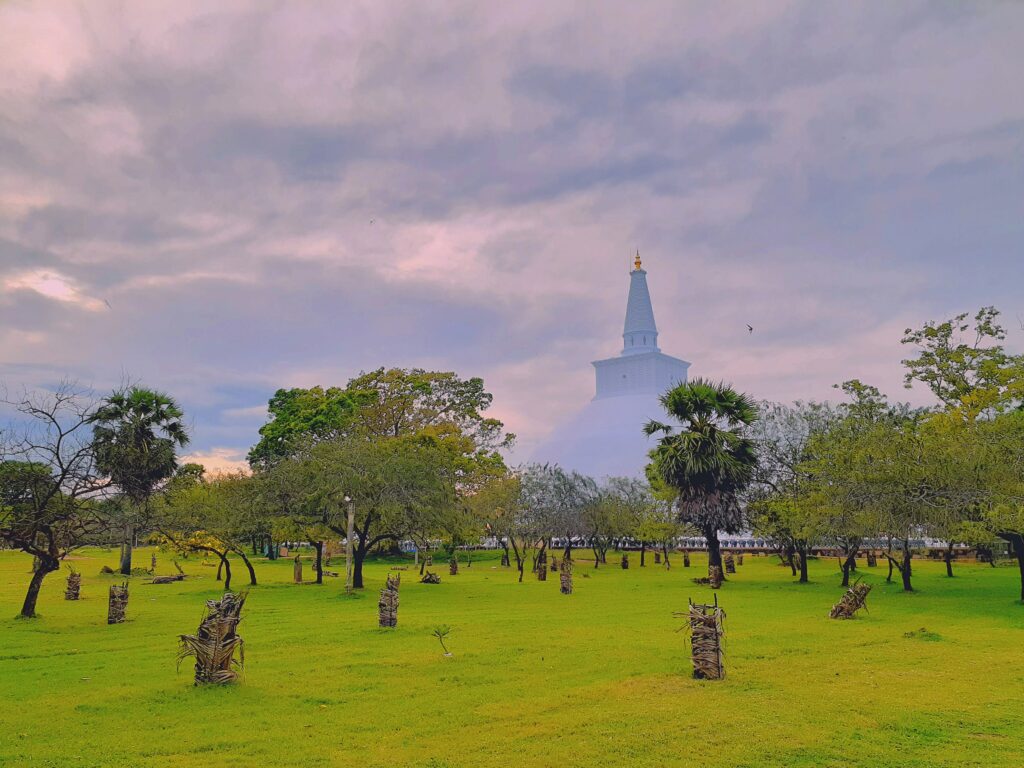
    As Sri Lanka’s first capital and one of the oldest continuously inhabited cities in the world, Anuradhapura is a treasure trove of ancient Buddhist civilization. This UNESCO World Heritage Site spans over 40 square kilometers and dates back to the 4th century BC.

    Sacred sites to visit:

    • Sri Maha Bodhi Tree – grown from a cutting of the original Bodhi tree under which Buddha attained enlightenment
    • Ruwanwelisaya Dagoba – a massive white dome-shaped stupa
    • Abhayagiri Monastery ruins
    • Jetavanaramaya – once the world’s third-tallest structure

    Travel tip: Rent a bicycle to cover the vast archaeological site efficiently.

    Ella – Mountain Beauty and Adventure

    This small mountain town has become increasingly popular among backpackers and nature lovers. Ella offers stunning landscapes, hiking opportunities, and a laid-back atmosphere that’s perfect for unwinding.

    Adventure activities:

    • Hike to Ella Rock for panoramic views
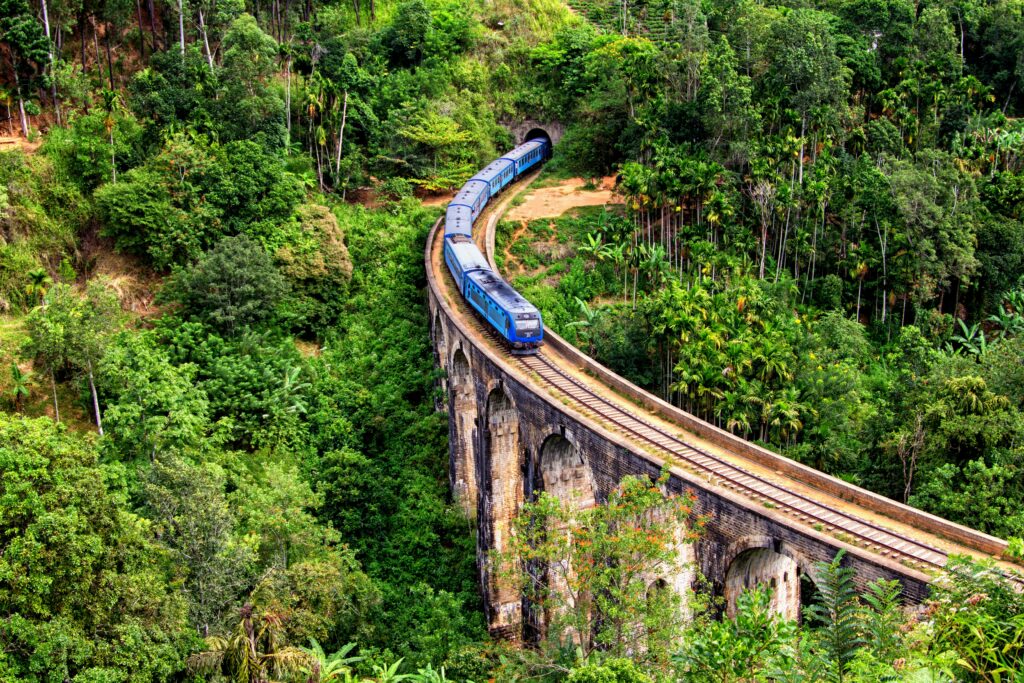
    • Visit the famous Nine Arch Bridge
    • Take the scenic train ride from Kandy to Ella
    • Explore Ravana Falls and its natural pools

    Instagram moment: The Nine Arch Bridge with a passing train is one of Sri Lanka’s most photographed scenes.

    Polonnaruwa – Medieval Magnificence

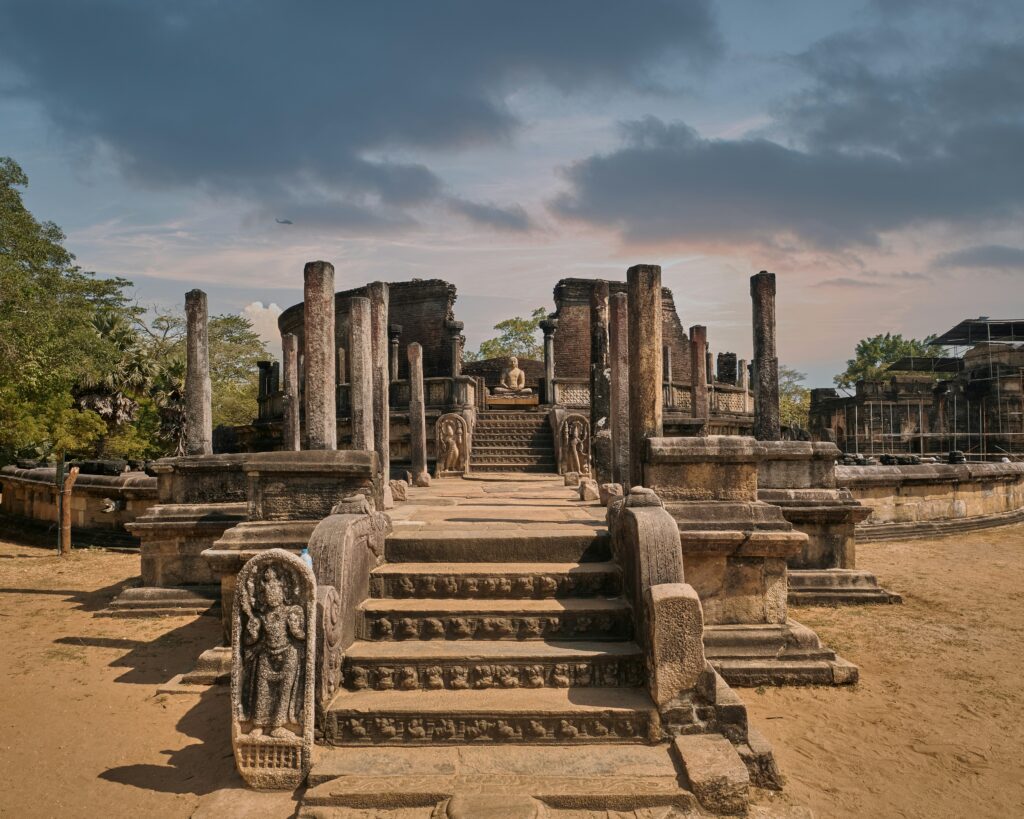
    The second ancient capital of Sri Lanka, Polonnaruwa flourished from the 11th to 13th centuries. This UNESCO World Heritage Site is more compact than Anuradhapura but equally impressive, with better-preserved ruins.

    Architectural marvels:

    • Gal Vihara’s magnificent rock-carved Buddha statues
    • The Royal Palace complex
    • Lotus Pond (Nelum Pokuna)
    • Lankatilaka Temple with its towering walls

    Best exploration method: Cycling through the archaeological park allows you to appreciate the scale and beauty of the ancient city.

    Mirissa – Beach Bliss and Whale Watching

    This crescent-shaped beach town on the southern coast is famous for its golden sand beaches and world-class whale watching opportunities. Mirissa offers the perfect blend of relaxation and marine adventure.

    Beach activities:

    • Blue whale and dolphin watching tours (November to April)
    • Surfing lessons for beginners
    • Fresh seafood dining right on the beach
    • Sunset cocktails at beach bars

    Marine life: Sri Lanka’s waters are home to blue whales, sperm whales, and several dolphin species.

    Yala National Park – Wildlife Safari Adventure

    Yala is Sri Lanka’s most famous national park and one of the best places in the world to spot leopards in the wild. The park’s diverse ecosystems support an incredible variety of wildlife.

    Wildlife highlights:

    • Sri Lankan leopards (highest density in the world)
    • Asian elephants
    • Sloth bears
    • Over 200 bird species including peacocks and eagles
    • Crocodiles and water buffalo

    Safari tips: Early morning and late afternoon game drives offer the best wildlife viewing opportunities.

    Dambulla – Cave Temple Complex

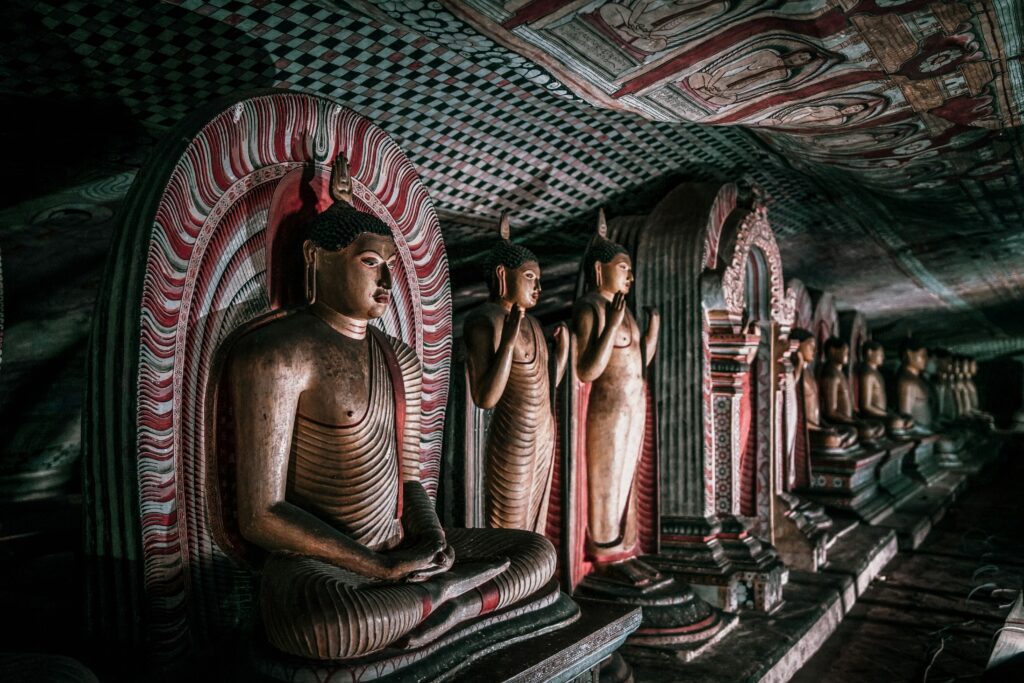
    The Dambulla Cave Temple, also known as the Golden Temple, is the largest and best-preserved cave temple complex in Sri Lanka. Dating back to the 1st century BC, this UNESCO World Heritage Site contains over 150 Buddha statues and extensive murals.

    Temple highlights:

    • Five main caves each with unique Buddha statues and paintings
    • Spectacular views over the surrounding countryside
    • Ancient inscriptions and royal dedications
    • The golden Buddha statue at the museum entrance

    Cultural etiquette: Dress modestly and remove shoes before entering the sacred caves.

    Planning Your Sri Lankan Adventure

    Best time to visit: December to March for the west and south coasts; April to September for the east coast and cultural triangle.

    Getting around: Hire a driver, use public buses and trains, or rent a tuk-tuk for short distances.

    Accommodation: From luxury resorts to budget guesthouses, Sri Lanka offers options for every budget.

    Local cuisine: Don’t miss trying authentic rice and curry, hoppers, kottu roti, and fresh tropical fruits.

    Sri Lanka’s compact size means you can experience incredible diversity in a relatively short trip. Whether you’re seeking spiritual enlightenment, natural beauty, cultural immersion, or simply relaxation on pristine beaches, this island nation delivers unforgettable experiences that will leave you planning your return visit before you’ve even left.

    Have you visited any of these amazing destinations in Sri Lanka? Share your experiences in the comments below, and don’t forget to subscribe to our blog for more travel inspiration!