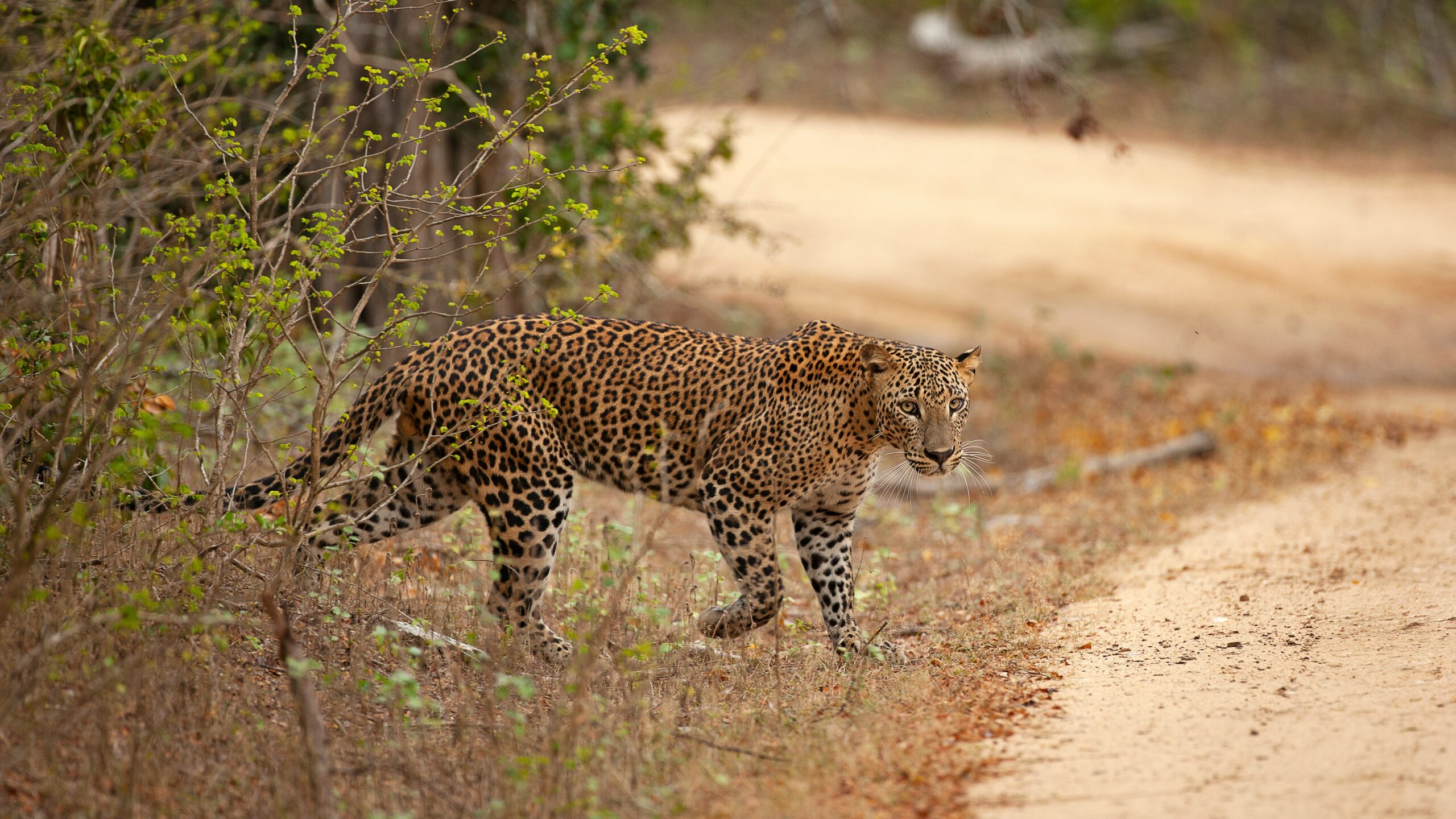
Sri Lanka, the pearl of the Indian Ocean, offers some of the most spectacular wildlife safari experiences in Asia. This tropical island nation packs an incredible diversity of ecosystems into its compact 65,610 square kilometers, making it a paradise for wildlife enthusiasts and nature photographers alike. From majestic elephants roaming ancient landscapes to elusive leopards prowling through dense forests, Sri Lanka’s safari adventures promise unforgettable encounters with some of the world’s most fascinating creatures.
The Big Five of Sri Lankan Safaris
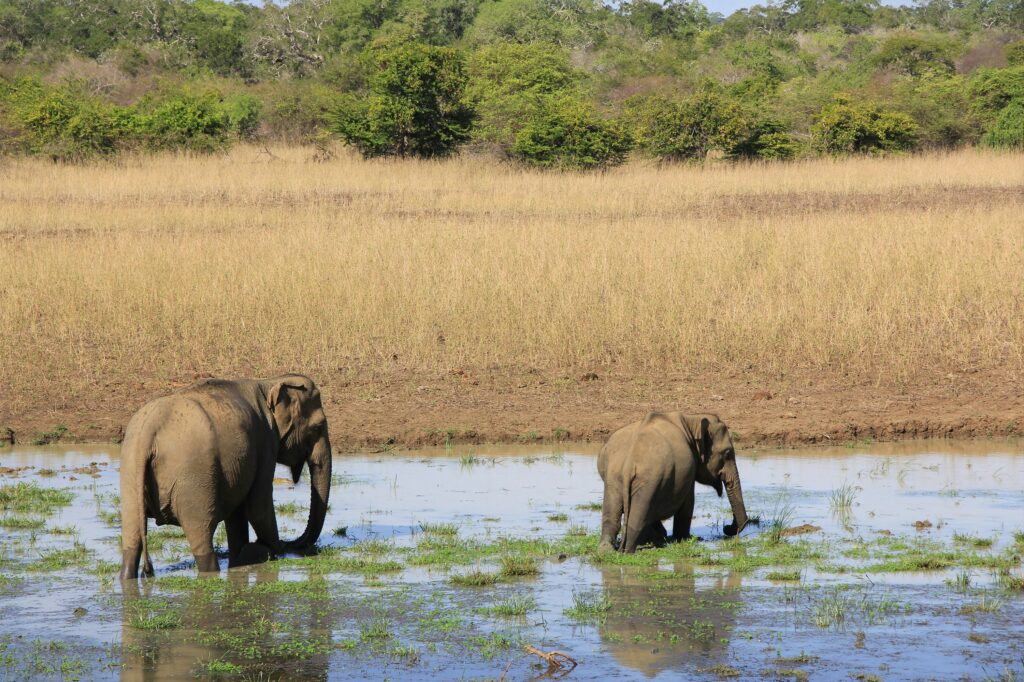
While Africa has its famous Big Five, Sri Lanka boasts its own remarkable collection of iconic species that draw visitors from around the globe.
The Sri Lankan elephant, smaller than its African cousin but equally magnificent, roams freely through several national parks. These gentle giants, numbering around 6,000 in the wild, are best observed during the dry season when they gather around water sources.
The Sri Lankan leopard, a subspecite found nowhere else on Earth, represents the island’s apex predator. Yala National Park holds one of the highest leopard densities in the world, offering visitors excellent chances of spotting these magnificent cats. Unlike their African counterparts, Sri Lankan leopards have adapted to be excellent climbers and swimmers, making them truly unique.
Sloth bears, with their distinctive shaggy coats and playful nature, add a touch of whimsy to any safari experience. These omnivorous bears are particularly active during fruiting seasons and can often be seen climbing trees or foraging for insects and honey.
The island’s diverse bird population exceeds 400 species, with over 30 endemic varieties. From the vibrant Sri Lankan junglefowl to the majestic white-bellied sea eagle, birdwatchers will find themselves in absolute heaven. The painted stork, spot-billed pelican, and various species of kingfishers create a colorful tapestry against Sri Lanka’s lush landscapes.
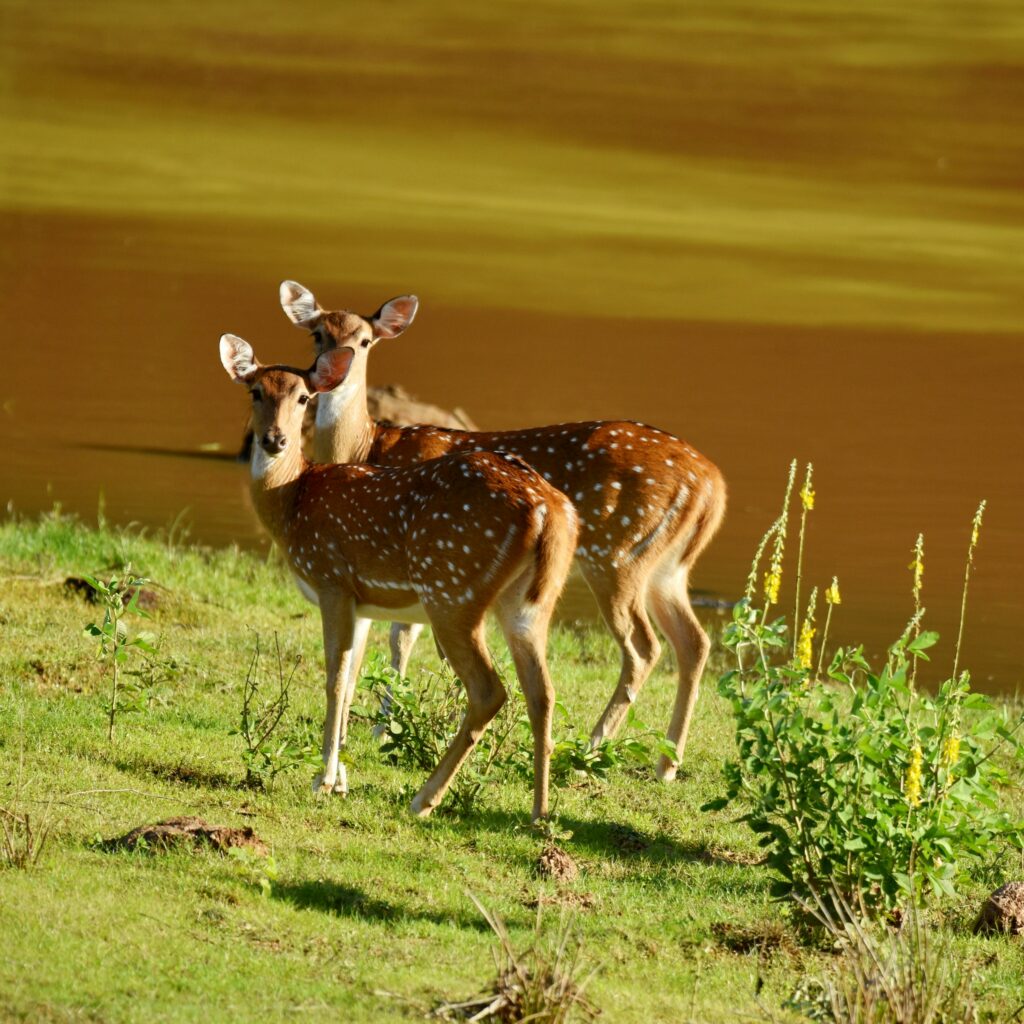
Water buffalo and spotted deer complete the lineup, often serving as prey species that support the larger predators while creating dynamic ecosystem interactions that fascinate wildlife observers.
Premier Safari Destinations
Yala National Park stands as Sri Lanka’s most famous wildlife destination, covering 979 square kilometers of diverse terrain. The park’s dry climate and varied landscapes, from dense jungle to open grasslands and coastal lagoons, support an incredible array of wildlife. Beyond its famous leopard population, Yala hosts over 200 bird species and serves as an important habitat for elephants, crocodiles, and various deer species.
Udawalawe National Park specializes in elephant encounters, created specifically to provide a sanctuary for elephants displaced by the Udawalawe Reservoir construction. The park’s open grasslands make wildlife spotting relatively easy, and the Elephant Transit Home nearby offers insights into conservation efforts for orphaned elephant calves.
Wilpattu National Park, Sri Lanka’s largest national park, offers a more remote and pristine safari experience. Known for its unique “villus” (natural lakes), Wilpattu provides excellent leopard sightings with fewer crowds than Yala. The park’s dense forest cover and numerous water bodies create perfect conditions for diverse wildlife populations.
Minneriya and Kaudulla National Parks host the famous “Gathering,” where hundreds of elephants congregate during the dry season (July to October) around ancient reservoirs. This natural phenomenon ranks among Asia’s greatest wildlife spectacles, offering photographers and wildlife enthusiasts unparalleled opportunities to observe elephant behavior.
Sinharaja Forest Reserve, a UNESCO World Heritage Site, represents Sri Lanka’s last viable area of primary tropical rainforest. While larger mammals are scarce, the reserve teems with endemic birds, reptiles, amphibians, and insects, making it essential for serious naturalists.
Best Time for Safari Adventures
Sri Lanka’s position near the equator creates distinct dry and wet seasons that significantly impact wildlife viewing opportunities. The dry season, from May to September, generally provides the best safari conditions as animals congregate around water sources, vegetation is less dense, and roads remain accessible.
However, timing varies by region due to the island’s two monsoon seasons. The southwest monsoon affects the western and southern regions from May to September, while the northeast monsoon impacts the northern and eastern areas from October to January. This creates opportunities for year-round wildlife viewing in different parts of the island.
For elephant gatherings at Minneriya and Kaudulla, visit between July and October. Leopard spotting in Yala peaks during dry months when cats are more active and visible. Bird watching enthusiasts should consider visiting during migration periods when both resident and visiting species are present.
Safari Experience and Logistics
Most Sri Lankan safaris utilize open-air jeeps that accommodate 6-8 passengers, providing excellent visibility and photography opportunities. Half-day safaris typically last 3-4 hours, while full-day excursions can extend to 8-10 hours with breaks for meals and rest.
Accommodation options range from luxury eco-lodges offering spa services and gourmet dining to budget-friendly guesthouses providing basic comfort. Many properties position themselves strategically near park entrances, minimizing travel time and maximizing wildlife viewing opportunities.
Professional guides enhance the safari experience significantly, possessing intimate knowledge of animal behavior, tracking skills, and the ability to spot camouflaged creatures that untrained eyes might miss. Their expertise in local ecology and conservation efforts adds educational value to thrilling wildlife encounters.
Conservation and Responsible Tourism
Sri Lanka’s wildlife faces mounting pressures from habitat loss, human-elephant conflict, and climate change. Responsible safari operators contribute directly to conservation efforts through park fees, community employment, and supporting anti-poaching initiatives.
Visitors can contribute by choosing eco-certified operators, maintaining respectful distances from wildlife, avoiding plastic waste, and supporting local communities. Many parks now implement strict vehicle quotas and designated routes to minimize environmental impact while ensuring sustainable wildlife viewing.
The Department of Wildlife Conservation works tirelessly to balance conservation needs with tourism development, creating corridors for animal movement and implementing innovative solutions to reduce human-wildlife conflict.
Planning Your Sri Lankan Safari Adventure
Sri Lanka’s compact size allows visitors to experience multiple ecosystems and parks within a single trip. A typical wildlife-focused itinerary might include 2-3 days in Yala for leopards, 1-2 days in Udawalawe for elephants, and a day trip to Minneriya during gathering season.
Combining safari adventures with cultural experiences creates a well-rounded Sri Lankan experience. Ancient cities like Anuradhapura and Polonnaruwa, the cultural heart of Kandy, and the colonial charm of Galle complement wildlife encounters perfectly.
Professional tour operators can customize itineraries based on specific interests, whether focusing on big cats, elephants, birds, or comprehensive wildlife experiences. Many offer photography-focused tours with specialized guides and optimal timing for capturing stunning wildlife images.
Sri Lanka’s wildlife safari adventures offer an intimate connection with nature that few destinations can match. The island’s incredible biodiversity, combined with excellent infrastructure and passionate local guides, creates unforgettable experiences for wildlife enthusiasts of all levels. Whether seeking the thrill of leopard encounters, the majesty of elephant gatherings, or the serenity of pristine forests, Sri Lanka delivers safari adventures that will remain etched in memory long after the journey ends.